What Are Zirconia Crowns? Your Complete Guide to Modern Dental Technology
Dental crowns rank among the most common restorative solutions in modern dentistry, used to repair damaged teeth, enhance aesthetic appearance, and restore natural oral function. Among available materials today, zirconia crowns have emerged as a preferred choice thanks to their exceptional strength, superior durability, and natural appearance that mimics real teeth.
With rapid advances in digital dental technology, zirconia has become one of the most trusted materials in both cosmetic and restorative procedures. In this comprehensive guide, we explore zirconia crowns in detail, covering composition, types, benefits, procedures, costs in the UAE, maintenance methods, and potential limitations.
What is a Zirconia Crown?
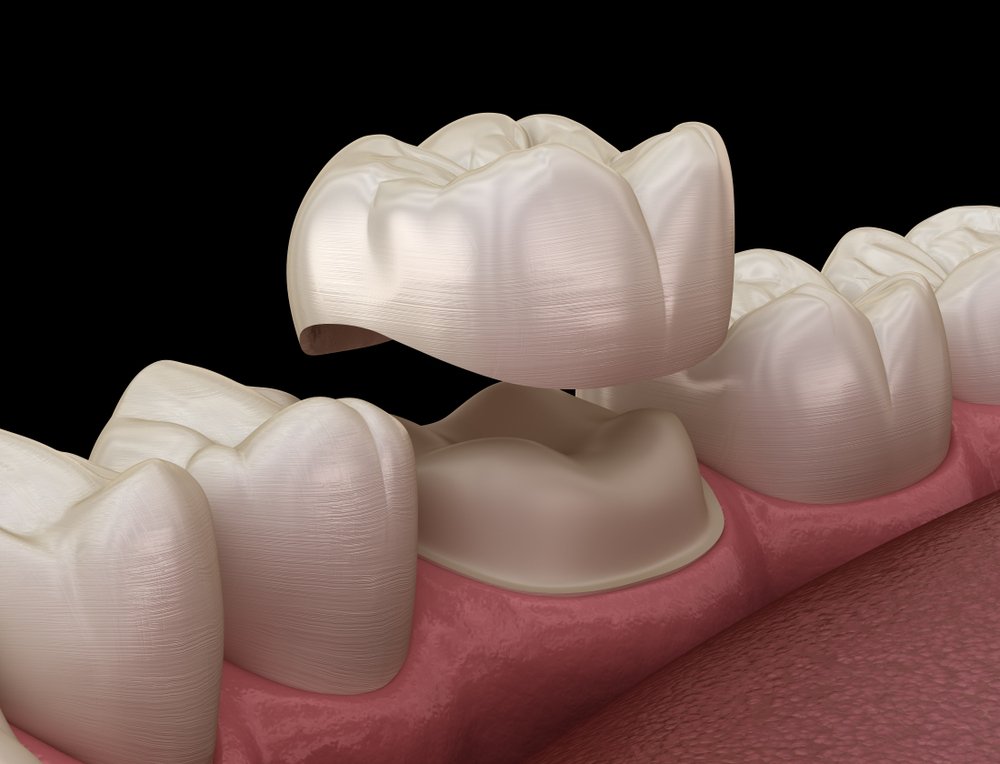
A zirconia crown is a dental crown made from zirconium dioxide (ZrO₂), an ultra-strong ceramic material distinguished by its durability and biocompatibility with body tissues. Zirconia applications extend beyond dentistry to medical implants and advanced industrial uses due to its toughness and wear resistance.
In dental practice, zirconia crowns are designed using CAD/CAM technology (Computer-Aided Design and Manufacturing), ensuring high precision in fitting and natural-looking results.
Primary Uses of Zirconia Crowns:
- Restoring severely damaged or decayed teeth
- Protecting teeth after root canal treatment
- Replacing old metal or porcelain crowns
- Improving smile aesthetics
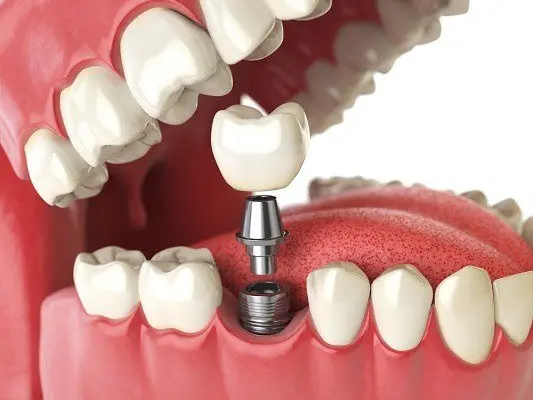
- Supporting dental bridges or implants
Types of Zirconia Crowns: Which Is Right for You?
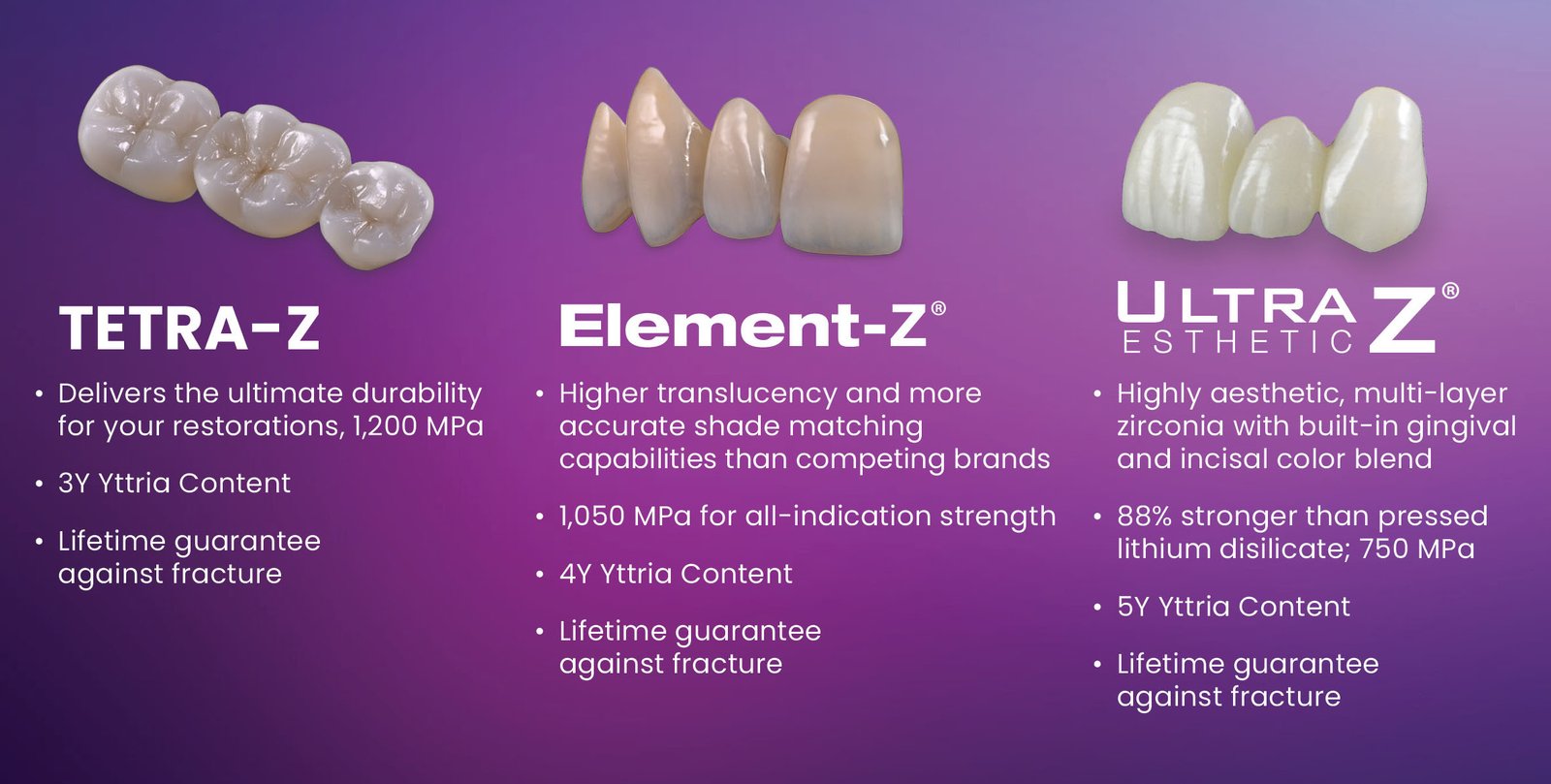
Zirconia crowns come in several varieties that differ based on composition and clinical purpose. Here are the main types:
1. Monolithic (Full Solid) Zirconia
These crowns are manufactured entirely from solid zirconia without porcelain layering. They feature exceptional strength, making them ideal for posterior teeth (molars) that endure high chewing pressure. While slightly less translucent than traditional porcelain, modern monolithic zirconia crowns offer excellent aesthetics.
Best Use: Molars and premolars, patients with bruxism (teeth grinding).
2. Layered Zirconia
This type combines a zirconia core with an outer cosmetic porcelain layer. The porcelain layer enhances the crown’s natural appearance, making it an ideal choice for anterior teeth where aesthetics are paramount.
Best Use: Front teeth, demanding cosmetic cases.
3. High-Translucent Zirconia
Recent years have witnessed significant technological advances that improved zirconia’s translucency, allowing crowns to more accurately mimic natural tooth enamel. These crowns provide an excellent balance between strength and aesthetic appeal.
Best Use: All oral regions, patients seeking optimal aesthetics without compromising durability.
Advantages of Zirconia Crowns: Why Dentists Prefer Them
Zirconia crowns offer multiple advantages compared to traditional metal crowns or porcelain-fused-to-metal options.
Exceptional Mechanical Strength
Zirconia exhibits high resistance to cracking, fracturing, and wear, making it suitable for patients with teeth grinding habits or those requiring crowns on molars.
Natural Appearance and Superior Aesthetics
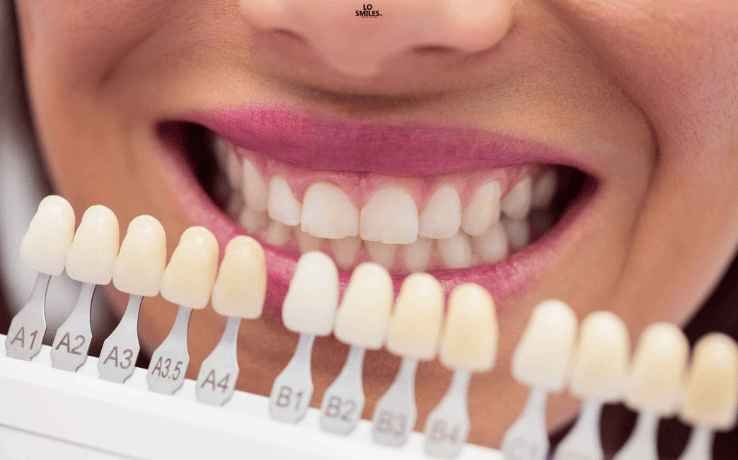
Modern zirconia crowns can accurately mimic natural teeth in color and translucency. Dentists can shade-match them with surrounding teeth for seamlessly integrated results.
Excellent Biocompatibility
Zirconia is a biologically safe material that rarely causes allergies or adverse reactions, unlike some metal crowns containing nickel or other metals.
Minimal removal of natural tooth structure
Thanks to zirconia’s superior strength, dentists typically need to remove less natural tooth structure compared to other crown materials, preserving long-term tooth health.
Extended Lifespan
With proper care, zirconia crowns can last 10 to 20 years or longer , making them a long-term investment in oral health.
Metal-Free Option
Many patients prefer zirconia crowns because they contain no metals, eliminating the dark gum line problem that may appear with metal crowns over time.
Disadvantages and Limitations of Zirconia Crowns
Despite numerous benefits, certain aspects warrant consideration:
Relatively Higher Cost
Zirconia crowns typically cost more than traditional porcelain or metal crowns due to advanced technologies and high-quality materials used.
Potential Opposing Tooth Wear
Due to zirconia’s high hardness, it can cause wear on opposing teeth if not properly polished. Therefore, selecting a skilled dentist proficient in precise polishing techniques is crucial.
Aesthetic Limitations in Certain Cases
While high-quality, zirconia may not achieve the same translucency level as pure porcelain in extremely demanding cosmetic cases.
Sensitivity Technique
Zirconia crowns require high skill in design, fitting, and polishing to avoid complications. Choosing a reputable clinic is critical.
Procedure for Getting a Zirconia Crown: Step-by-Step
The process of receiving a zirconia crown typically involves two dental visits , although some advanced clinics in the UAE offer same-day crowns using CAD/CAM systems.
Step 1: Examination and preparation
The dentist examines the tooth using X-rays and clinical evaluation. If decay or infection exists, it’s treated first. The tooth is then reshaped to accommodate the crown.
Step 2: Impression or Digital Scan
A traditional impression or 3D digital scan is taken to ensure accurate crown fabrication. Digital scanning provides higher precision and greater patient comfort.
Step 3: Temporary Crown Placement
A temporary crown is placed to protect the prepared tooth during the laboratory fabrication period.
Step 4: Crown Fabrication
Using CAD/CAM technology, the zirconia crown is milled from a solid zirconia block, then shaded to match natural tooth color.
Step 5: Final Placement
During the second visit, the dentist checks the crown for fit, color, and bite alignment before permanently cementing it using strong dental adhesive.
Zirconia Crowns vs. Other Materials: A Detailed Comparison
Zirconia vs. Porcelain-Fused-to-Metal (PFM)
- Zirconia: Metal-free, highly aesthetic, durable, no dark gum lines
- PFM: Strong but may show metal edges over time, less aesthetic
Zirconia vs. All-Porcelain Crowns
- Zirconia: Much stronger, less prone to fracture, suitable for posterior teeth
- Porcelain: Slightly more translucent but less durable, suitable only for anterior teeth
Zirconia vs. Gold Crowns
- Zirconia: Excellent natural appearance, modern option
- Gold: Exceptional durability but aesthetically unacceptable to most patients
Each material has its place, but zirconia often provides the optimal balance between strength and aesthetics .
Cost of Zirconia Crowns in the United Arab Emirates
Zirconia crown costs vary based on location, dentist expertise, and technologies used.
Approximate Price Range:
- In UAE (Dubai, Abu Dhabi, Sharjah): AED 1,500 – 4,500 per crown
- Developed Countries (USA, Europe): $800 – $2,500 per crown
- South Asian Countries: Significantly below global average
Factors Affecting Cost:
- Type of zirconia (monolithic, layered, high-translucent)
- Dentist’s reputation and experience
- Clinic location and use of advanced technology
- Laboratory and fabrication costs
Health insurance may cover part of the cost if the crown is medically necessary, but purely cosmetic cases are often not covered.
Lifespan and Durability of Zirconia Crowns
Zirconia crowns are known for their extended lifespan. Clinical studies show survival rates exceeding 90% over 10 years .
Factors Affecting Crown Longevity:
- Oral hygiene practices: Good daily cleaning extends crown life
- Bite force and grinding habits: Patients who grind teeth may need a night guard
- Placement accuracy: Professional installation ensures crown stability
- Regular checkups: Routine visits help detect problems early
With proper care, zirconia crowns can last 20 years or more .
Care and Maintenance Tips for Zirconia Crowns
Caring for a zirconia crown is similar to caring for natural teeth.
Daily Oral Hygiene
- Use a soft-bristled toothbrush and fluoride toothpaste twice daily
- Floss regularly to prevent gum disease
- Use antimicrobial mouthwash if recommended by your dentist
Avoid Excessive Force
- Don’t chew ice, hard candy, or extremely tough foods
- Consider a custom night guard if you grind or clench teeth
- Avoid using teeth as tools to open packages
Regular Dental Visits
- Schedule professional cleanings every 6 months
- Allow your dentist to examine the crown for wear or damage
- Address any discomfort or sensitivity immediately
Who Is a Good Candidate for Zirconia Crowns?
Zirconia crowns are suitable for many patients, including:
- Individuals with severely damaged or fractured teeth
- Patients seeking cosmetic smile improvement
- People with metal allergies or sensitivities
- Those requiring durable, long-lasting restorations
- Patients with bruxism (teeth grinding)
- Individuals need crowns on both anterior and posterior teeth
However, each case requires professional evaluation by a qualified dentist to determine the most appropriate treatment.
Technological Advances in Zirconia Dentistry
Digital dentistry has significantly transformed zirconia crown production. CAD/CAM systems enable:
- Precise crown fabrication with minimal human error
- Faster turnaround times (same-day crowns in some cases)
- Improved fit and comfort through digital scanning
- Enhanced aesthetic customization with advanced shading software
3D scanning and milling technologies continue to evolve, making zirconia crowns increasingly reliable and accessible to patients worldwide.
Common Myths About Zirconia Crowns Debunked
Myth 1: “They Look Artificial”
Reality: Modern zirconia crowns, especially high-translucent varieties, closely mimic natural teeth in appearance. Skilled dentists can achieve virtually undetectable results.
Myth 2: “They Damage Other Teeth”
Reality: Proper polishing prevents excessive wear on opposing teeth. When finished correctly, zirconia crowns are gentle on adjacent and opposing dentition.
Myth 3: “They’re Only for Cosmetic Purposes”
Reality: Zirconia crowns serve both functional and aesthetic purposes. They’re strong enough for heavy chewing areas while beautiful enough for visible front teeth.
Myth 4: “All Zirconia Crowns Are the Same”
Reality: Significant differences exist between monolithic, layered, and high-translucent zirconia. Your dentist selects the type based on your specific clinical needs.
Zirconia Crowns vs. Veneers: Understanding the Difference
While both improve smile aesthetics, they serve different purposes:
- Zirconia Crowns: Cover the entire tooth, used for damaged or weakened teeth, provide structural support
- Veneers: Cover only the front surface, used primarily for cosmetic enhancement, require minimal tooth reduction
Your dentist will recommend the appropriate option based on tooth condition and treatment goals.
How to Choose the Right Dentist for Zirconia Crowns in the UAE
Selecting an experienced dentist is crucial for successful outcomes:
Key Considerations:
- Qualifications and certifications in prosthodontics or cosmetic dentistry
- Experience with CAD/CAM technology and digital dentistry
- Before-and-after portfolio of previous zirconia crown cases
- Patient reviews and testimonials
- Technology and equipment available at the clinic
- Clear communication about treatment options and costs
Don’t hesitate to schedule consultations with multiple dentists before making your decision.
Future of Zirconia in Dentistry
Zirconia use is expected to expand further due to ongoing research and technological advancements. Improvements in translucency, bonding techniques, and digital workflows are making zirconia crowns increasingly effective and accessible.
Dentists increasingly recommend zirconia for both anterior (front) and posterior (back) teeth due to its versatility. Emerging developments include:
- Ultra-translucent zirconia rivaling porcelain aesthetics
- Colored zirconia blocks for even better shade matching
- Improved bonding protocols for enhanced retention
- AI-assisted design software for optimal crown morphology
Clinical Evidence Supporting Zirconia Crowns
Multiple peer-reviewed studies confirm zirconia’s reliability:
- A 2023 systematic review reported 5-year survival rates of 95.6% for monolithic zirconia crowns
- Research published in the Journal of Prosthetic Dentistry showed excellent tissue compatibility with minimal gingival inflammation
- Long-term studies demonstrate superior fracture resistance compared to traditional ceramic materials
This scientific backing reinforces zirconia’s position as a gold standard in modern restorative dentistry.
Conclusion
Zirconia crowns represent a significant advancement in dental restorative materials. Their exceptional strength, natural appearance, biocompatibility, and durability make them a preferred choice for both dentists and patients. While they may involve higher initial costs, their extended lifespan and reliability often make them a cost-effective long-term solution.
For individuals seeking durable, aesthetic, and metal-free dental restoration, zirconia crowns offer an excellent option. The UAE dental market provides access to world-class facilities equipped with the latest CAD/CAM technology and experienced professionals capable of delivering outstanding results.
However, the best choice always depends on individual dental needs, budget considerations, and aesthetic goals. Consultation with a qualified dentist is essential for determining whether zirconia crowns are right for you.
With proper care, regular dental visits, and good oral hygiene, zirconia crowns can provide years of confident smiles and optimal oral health.
5 FAQ Questions
Q1: How long do zirconia crowns last?
Zirconia crowns typically last 10–20 years or longer with proper care, regular dental checkups, and good oral hygiene. Clinical studies show survival rates exceeding 90% after 10 years.
Q2: Are zirconia crowns better than porcelain?
Zirconia crowns are stronger and more durable than all-porcelain crowns, making them suitable for both front and back teeth. While porcelain may offer slightly better translucency in some cases, zirconia provides superior fracture resistance.
Q3: Do zirconia crowns look natural?
Yes, modern high-translucent zirconia crowns closely mimic natural teeth in color and appearance. Skilled dentists can shade-match them perfectly with surrounding teeth for seamless integration.
Q4: How much do zirconia crowns cost in Dubai?
In Dubai and the UAE, zirconia crowns typically cost between AED 1,500 and AED 4,500 per tooth, depending on the type of zirconia, clinic reputation, and technology used.
Q5: Can zirconia crowns break or chip?
While zirconia is extremely strong and resistant to fracture, excessive force from accidents or severe teeth grinding can potentially cause damage. Wearing a night guard if you grind your teeth helps prevent this.


اترك تعليقاً