
A radiant white smile conveys confidence, health, and success. In the United Arab Emirates, where personal appearance holds significant cultural value, teeth whitening has become one of the most requested cosmetic dental procedures. From advanced professional treatments in Dubai and Abu Dhabi clinics to convenient at-home whitening kits, residents now have access to numerous options for enhancing their smile.This comprehensive guide examines everything you need to know about teeth whitening: how different methods work, their effectiveness and costs in the UAE market, potential risks, and evidence-based strategies for maintaining long-lasting results.
Why Do Teeth Become Discolored?
Understanding tooth discoloration helps you choose the most effective whitening approach for your specific situation.
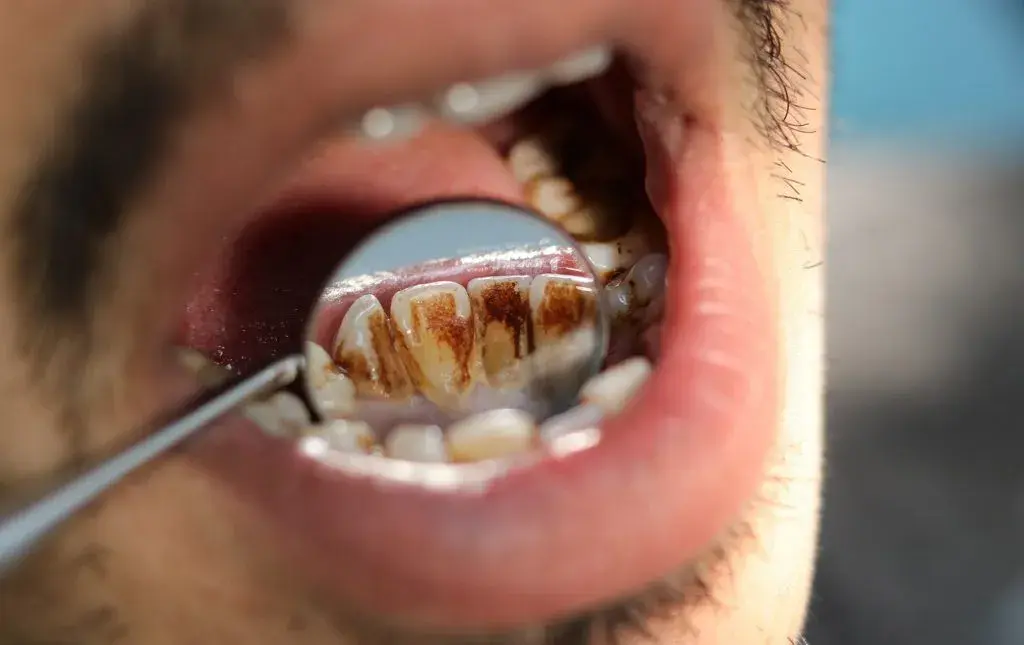
Extrinsic Stains: Surface Discoloration
Extrinsic stains affect the outer enamel layer and typically result from lifestyle choices. Common causes include:
- Beverages: Coffee, black tea, red wine, and dark sodas leave pigmented residues that accumulate over time
- Tobacco use: Smoking and shisha consumption create stubborn yellow or brown stains
- Foods: Curry, tomato sauce, berries, and other highly pigmented foods contribute to surface discoloration
- Poor oral hygiene: Inadequate brushing allows plaque buildup, which attracts staining compounds
These surface stains respond well to most whitening treatments, including professional cleaning combined with bleaching agents.
Intrinsic Stains: Internal Discoloration
Intrinsic stains develop within the tooth’s dentin layer and prove more challenging to treat. They occur due to:
- Natural aging: Enamel thins gradually, revealing the yellowish dentin beneath
- Medications: Tetracycline antibiotics taken during childhood can cause gray or brown discoloration
- Excessive fluoride: Overexposure during tooth development leads to fluorosis, which appears as white spots or brown staining
- Dental trauma: Injuries can disrupt blood supply, causing teeth to darken
- Genetic factors: Some individuals naturally have darker or more yellow-toned teeth
Intrinsic discoloration often requires professional-strength whitening treatments or alternative cosmetic solutions like veneers.
Age-Related Yellowing
As enamel wears down through years of chewing, grinding, and exposure to acidic foods, the underlying dentin becomes increasingly visible. This explains why teeth whitening becomes more popular among adults seeking to restore a youthful appearance.
What Is Teeth Whitening and How Does It Work?
Teeth whitening is a cosmetic procedure that lightens tooth color by removing stains and bleaching the enamel and dentin. Unlike standard dental cleanings that eliminate plaque and tartar, whitening specifically targets pigmented molecules embedded in tooth structure.
The Science Behind Whitening
Most effective whitening treatments utilize bleaching agents—primarily hydrogen peroxide or carbamide peroxide. These compounds work through oxidation:
- The peroxide penetrates enamel pores
- Oxygen molecules break down chromogen compounds (stain molecules)
- The chemical reaction disperses pigmentation, making teeth appear lighter
The concentration of bleaching agent and exposure time determine treatment strength and results. Professional treatments use higher concentrations (15-40% hydrogen peroxide) compared to over-the-counter products (typically 3-10%).
Important consideration: Whitening lightens your natural tooth shade temporarily rather than permanently changing tooth color. Results gradually fade based on diet, oral hygiene habits, and lifestyle factors.
Professional Teeth Whitening Methods in UAE
Professional whitening performed by licensed dentists in UAE clinics delivers the safest, fastest, and most predictable results. These treatments are customized to individual needs and oral health conditions.
In-Office Laser Whitening (Chairside Bleaching)
This premium method is widely available across dental clinics in Dubai, Abu Dhabi, Sharjah, and other Emirates.
Procedure details:
- Dentist applies protective barriers to gums and soft tissues
- High-concentration whitening gel (typically 25-40% hydrogen peroxide) is applied to teeth
- Special LED light or laser activates the gel, accelerating the bleaching process
- Treatment typically requires 60-90 minutes
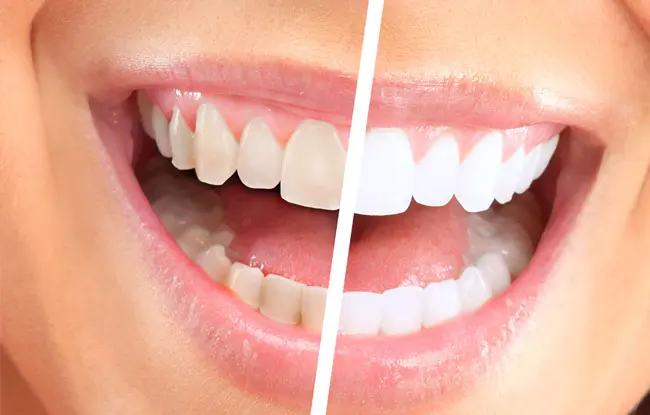
- Results visible immediately—teeth can lighten 3-8 shades in one session
Costs in UAE: AED 1,500 to AED 3,500 per session depending on clinic location and technology used.
Advantages: Fast results, professional supervision minimizes risks, even whitening across all visible teeth.
Custom Take-Home Professional Kits
Many UAE dentists offer professionally supervised at-home whitening as an alternative or complementary option.
How it works:
- Dentist takes impressions to create custom-fitted trays
- Patient receives professional-grade gel (usually carbamide peroxide 10-20%)
- Gel is applied in trays and worn for specified periods (typically 30 minutes to overnight)
- Treatment continues for 1-3 weeks until desired shade is achieved
Costs in UAE: AED 800 to AED 2,000 for complete kit.
Benefits: More controlled application, reduced sensitivity for some patients, convenient for busy schedules, longer-lasting results when combined with initial in-office treatment.
Combination Treatments
Many UAE dental clinics recommend combining in-office whitening for immediate results with take-home maintenance kits for sustained brightness.
Over-the-Counter Whitening Products Available in UAE
Retail whitening products sold in UAE pharmacies and supermarkets offer affordable alternatives to professional treatments, though with more modest results.
Whitening Toothpaste
Brands like Colgate, Sensodyne, and Oral-B offer whitening toothpastes containing mild abrasives and low concentrations of chemical agents.
Effectiveness: Removes only surface stains; lightens teeth by approximately one shade with consistent use over several weeks. Does not change underlying tooth color.
Best for: Maintaining professional whitening results or addressing minor surface discoloration.
Whitening Strips and Gels
Peroxide-based strips (such as Crest Whitestrips) and gel applications are popular OTC options in UAE markets.
Application: Flexible strips adhere to teeth for 20-30 minutes daily over 7-14 days.
Results: Can lighten teeth 1-3 shades for extrinsic stains when used as directed.
Limitations: Generic sizing may cause uneven whitening or gum irritation; lower peroxide concentrations mean slower results compared to professional treatments.
Whitening Pens and Rinses
These convenient formats contain bleaching agents in lower concentrations.
Effectiveness: Minimal visible results due to brief contact time with tooth surfaces. Best used as supplementary maintenance tools rather than primary whitening methods.
LED Whitening Kits
Battery-operated LED devices paired with whitening gels are increasingly available online and in UAE retail stores.
Performance: Mixed results; some users report modest improvement while others see little change. Effectiveness depends heavily on gel quality and proper usage.
Natural Remedies and DIY Whitening Methods
While various home remedies circulate online and through traditional practices, dental professionals urge caution with these approaches.
Baking Soda (Sodium Bicarbonate)
How it’s used: Mixed with water to form paste, brushed onto teeth.
Effectiveness: Mild abrasive properties help remove surface stains.
Risks: Excessive use erodes enamel, increasing sensitivity and decay risk. Should not be used more than once weekly.
Activated Charcoal
Claim: Absorbs tooth stains and toxins.
Reality: Limited scientific evidence supports whitening benefits. Abrasive texture can damage enamel with frequent use. Not recommended by dental associations.
Hydrogen Peroxide Rinses
Usage: Diluted hydrogen peroxide (typically 3%) used as mouth rinse.
Considerations: May provide minor whitening but improper concentration or swallowing can irritate gums and oral tissues. Professional products offer safer, controlled formulations.
Oil Pulling
Method: Swishing coconut oil in mouth for 10-20 minutes.
Evidence: May improve overall oral hygiene but does not significantly whiten teeth. No harm when practiced correctly, but not an effective bleaching method.
Professional recommendation: Consult your UAE dentist before trying home remedies, as improper application can cause irreversible enamel damage or uneven results.
Key Benefits of Teeth Whitening
Beyond aesthetics, whitening treatments offer psychological and social advantages valued in UAE’s image-conscious culture.
Enhanced Confidence and Self-Image
A brighter smile directly impacts self-perception. Studies show individuals feel more confident in social situations, professional meetings, and photographs after whitening treatments. In the competitive UAE job market and social environment, an attractive smile provides measurable psychological benefits.
Improved First Impressions
Research indicates people associate white teeth with cleanliness, success, and attention to detail—qualities highly valued in UAE business and social contexts. A professional appearance can positively influence career opportunities and social interactions.
Motivation for Better Oral Hygiene
After investing time and money in whitening, patients typically become more diligent about brushing twice daily, flossing, and avoiding stain-causing substances. This improved routine supports long-term dental health beyond cosmetic benefits.
Youthful Appearance
White teeth are subconsciously associated with youth and vitality. As teeth naturally yellow with age, whitening helps restore a more youthful smile appearance.
Potential Risks and Side Effects
While generally safe when performed correctly, teeth whitening carries certain risks that UAE patients should understand.
Tooth Sensitivity
Most common side effect: Bleaching agents temporarily irritate tooth nerves, causing sharp pain when consuming hot, cold, or sweet items.
Duration: Usually subsides within 24-48 hours after treatment ends.
Management: Use sensitivity toothpaste before and after whitening; dentists may recommend lower-concentration gels or shorter application times for sensitive patients.
Gum and Soft Tissue Irritation
Cause: Whitening gel contact with gums, lips, or tongue causes temporary inflammation or chemical burns.
Prevention: Professional treatments include protective barriers; at-home users should carefully apply gel only to tooth surfaces.
Enamel Damage from Overuse
Risk: Excessive whitening or using products too frequently can weaken enamel structure, making teeth more vulnerable to decay and permanent sensitivity.
Safe practice: Follow dentist recommendations for treatment frequency; typically allow 6-12 months between professional whitening sessions.
Uneven Coloration
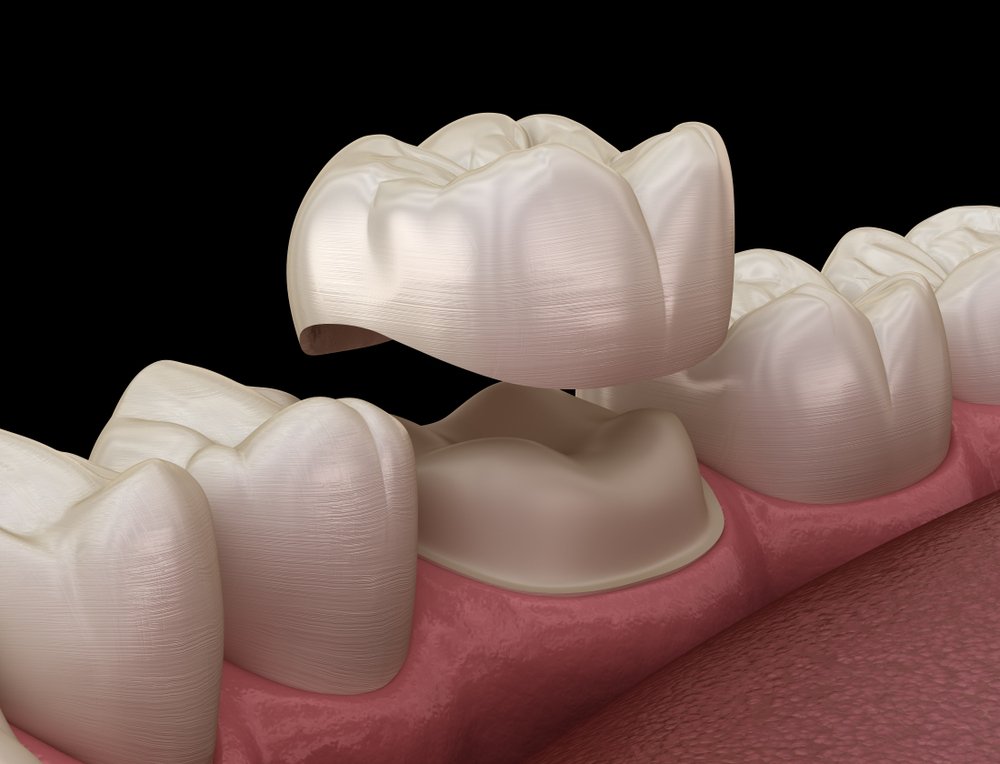
Issue: Dental restorations (crowns, veneers, fillings, bridges) do not respond to bleaching agents, creating color mismatches after whitening.
Solution: Discuss restoration replacement with your dentist if uniform color is important; perform whitening before getting new restorations to match the lighter shade.
Not Suitable for Everyone
Whitening is not recommended for:
- Pregnant or nursing women
- Children under 16 (pulp chamber is enlarged, increasing sensitivity risk)
- Individuals with untreated cavities or gum disease
- People with extremely sensitive teeth or worn enamel
Essential step: Schedule a dental examination at a reputable UAE clinic before beginning any whitening treatment to assess suitability and oral health status.
How to Maintain Whitening Results Long-Term
Whitening results typically last 6 months to 2 years depending on lifestyle choices and maintenance practices.
Daily Oral Hygiene Routine
Essential practices:
- Brush twice daily with fluoride toothpaste (preferably whitening formula)
- Floss daily to remove plaque between teeth
- Rinse with antibacterial mouthwash
- Replace toothbrush every 3 months
Dietary Modifications
Limit staining foods and beverages:
- Coffee and black tea (especially common in UAE morning routines)
- Red wine
- Cola and dark sodas
- Curry, turmeric, tomato sauce, soy sauce
- Dark berries (blueberries, blackberries)
Protective strategies:
- Use a straw for pigmented beverages to minimize tooth contact
- Rinse mouth with water immediately after consuming staining foods
- Chew sugar-free gum to stimulate saliva production, which naturally cleanses teeth
Avoid Tobacco Products
Critical for maintaining results: Smoking cigarettes and using shisha (water pipe) are leading causes of rapid tooth re-staining. Tobacco cessation benefits both oral health and whitening longevity.
Regular Professional Care
Recommended schedule in UAE:
- Dental cleanings every 6 months to remove surface stains and plaque
- Professional examination to detect problems early
- Touch-up whitening treatments annually or as needed, under dentist supervision
Touch-Up Treatments
Many UAE patients maintain brightness through:
- Overnight application of professional take-home gel every few months
- Quick in-office whitening session (15-30 minutes) annually
- Whitening toothpaste as part of daily routine
Choosing the Right Whitening Method in UAE
Selecting the appropriate whitening approach depends on several factors:
Consider professional treatment if you want:
- Fast, dramatic results (multiple shades lighter)
- Minimal sensitivity risk
- Expert supervision and customized approach
- Treatment of stubborn intrinsic stains
Consider OTC products if you prefer:
- Budget-friendly option
- Gradual, subtle whitening
- Convenience of home application
- Maintenance after professional whitening
Questions to ask your UAE dentist:
- What shade improvement can I realistically expect?
- Which method suits my tooth sensitivity level?
- How will existing restorations affect final appearance?
- What are total costs including maintenance?
- Are there any oral health issues that must be addressed first?
Finding Quality Dental Care in UAE
The Emirates offer numerous dental clinics with varying expertise and pricing. When selecting a provider:
Verification steps:
- Confirm dentist is licensed by Dubai Health Authority (DHA) or other relevant health authority
- Check clinic reviews and patient testimonials
- Inquire about dentist’s training and experience in cosmetic procedures
- Ask about whitening technology and products used
- Request before/after photos of previous patients
Insurance coverage: Many UAE health insurance plans do not cover cosmetic procedures like whitening. Confirm coverage details with your insurance provider before treatment.
Conclusion: Achieving a Brighter Smile Safely
Teeth whitening offers an effective solution for enhancing smile appearance and boosting confidence. UAE residents have access to world-class dental facilities offering both advanced professional treatments and quality over-the-counter products.The key to successful whitening lies in choosing the appropriate method for your individual needs, understanding realistic expectations, and following evidence-based maintenance practices. Professional consultation ensures safe treatment tailored to your oral health condition, desired results, and budget.Remember that a truly beautiful smile extends beyond whiteness—it reflects overall dental health, proper oral hygiene, and balanced lifestyle choices. By combining professional whitening with consistent preventive care, you can achieve and maintain the radiant smile you desire.For personalized whitening recommendations suited to your unique situation, schedule a consultation with a licensed dentist at a reputable UAE dental clinic.
5 FAQ Questions (Based on People Also Ask)
Q1: How much does teeth whitening cost in UAE?
Professional in-office whitening ranges from AED 1,500 to AED 3,500 per session in Dubai and Abu Dhabi clinics. Take-home professional kits cost AED 800 to AED 2,000. Over-the-counter products available at UAE pharmacies range from AED 50 to AED 300 depending on brand and type.
Q2: How long do teeth whitening results last?
Professional whitening results typically last 6 months to 2 years depending on lifestyle factors. Coffee consumption, smoking, and staining foods accelerate fading. Regular dental cleanings, good oral hygiene, and occasional touch-up treatments help maintain brightness longer.
Q3: Is teeth whitening safe for sensitive teeth?
Whitening can increase tooth sensitivity temporarily. People with existing sensitivity should consult a dentist before treatment. Dentists can recommend lower-concentration products, shorter application times, or desensitizing treatments. Using sensitivity toothpaste before and after whitening reduces discomfort.
Q4: Does teeth whitening damage enamel?
When used correctly under professional guidance, whitening does not permanently damage enamel. However, excessive use or improper application can weaken enamel structure. Follow recommended treatment frequency (typically 6-12 months between sessions) and dentist instructions to minimize risks.
Q5: What’s the difference between in-office and at-home whitening?
In-office whitening uses higher-concentration bleaching agents (25-40% hydrogen peroxide) activated by LED light, producing results in one 60-90 minute session. At-home professional kits use lower concentrations (10-20% carbamide peroxide) in custom trays over 1-3 weeks. In-office provides faster, more dramatic results while at-home offers gradual, controlled whitening at lower cost.

اترك تعليقاً