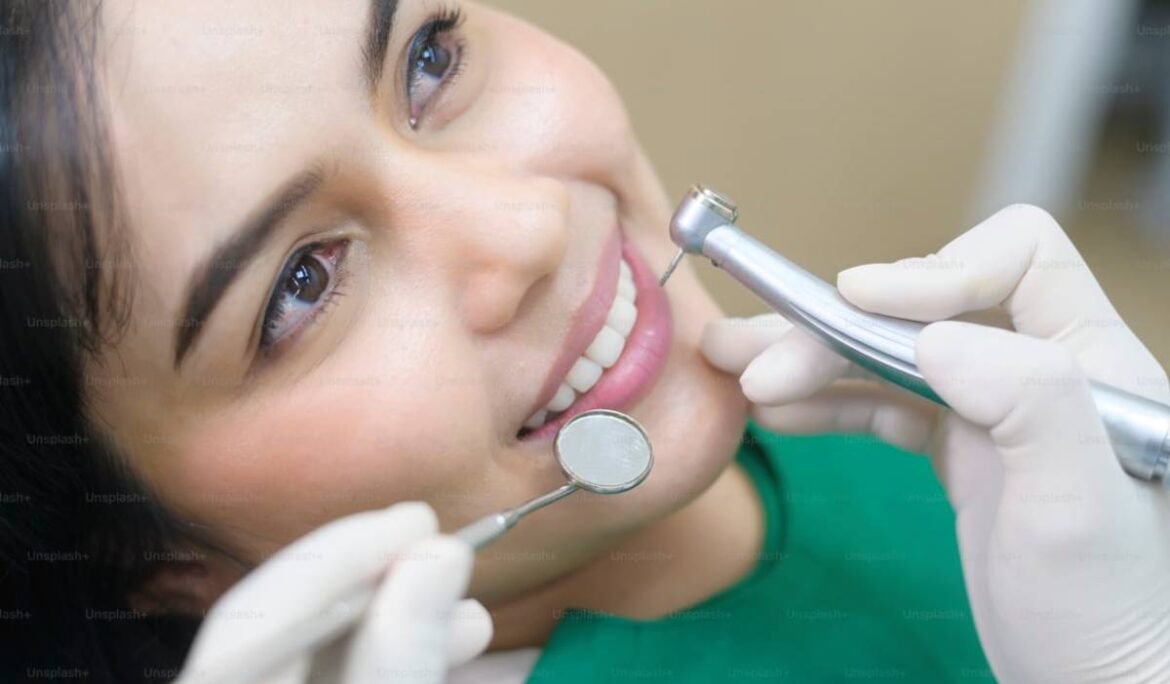
A radiant smile serves as one of the most powerful tools for building confidence, creating positive first impressions, and enhancing overall facial aesthetics. Modern cosmetic dentistry has revolutionized how individuals can achieve their ideal smile through scientifically-backed, personalized dental treatments.
A smile design clinic specializes in comprehensive aesthetic dentistry that goes beyond traditional dental care. These specialized facilities combine advanced digital technologies, artistic dental principles, and evidence-based treatment protocols to create natural, harmonious smiles tailored to each patient’s unique facial characteristics.
This comprehensive guide examines everything you need to know about smile design clinics, including treatment options, the consultation process, technological innovations, expected costs, and critical factors for selecting the right provider in the United Arab Emirates.
What Is a Smile Design Clinic and How Does It Differ From Regular Dentistry?
A smile design clinic represents a specialized dental facility dedicated to enhancing the aesthetic appearance, functional harmony, and overall balance of your smile. Unlike conventional dental practices that primarily address oral health concerns such as cavities, root canals, and periodontal disease, smile design clinics focus on cosmetic enhancement while maintaining the highest standards of oral health.
The Science Behind Smile Design
Professional smile design involves a comprehensive evaluation of multiple interdependent factors:
Dental Elements:
- Tooth shape, size, color, and proportional alignment
- Gum tissue contour, health, and symmetry
- Tooth-to-gum ratio and gingival architecture
Facial Harmony Considerations:
- Facial structure, bone architecture, and soft tissue proportions
- Lip position, movement dynamics, and smile line
- Skin tone, complexion, and age-related characteristics
- Midline alignment and facial symmetry
Functional Assessment:
- Bite alignment (occlusion) and jaw relationship
- Temporomandibular joint (TMJ) function
- Speech patterns and phonetic considerations
- Chewing efficiency and oral function
Using Digital Smile Design (DSD) software, 3D imaging technology, and advanced diagnostic tools, cosmetic dentists create highly personalized treatment roadmaps that honor each patient’s unique anatomy, aesthetic preferences, and lifestyle requirements.
Why Smile Design Matters: Beyond Aesthetic Enhancement
The impact of a professionally designed smile extends far beyond superficial appearance. Clinical research demonstrates that smile aesthetics significantly influence psychological well-being, social interactions, and even professional opportunities.
Proven Benefits of Smile Enhancement
Psychological and Social Advantages:
- Increased self-confidence in social and professional settings
- Reduced social anxiety related to dental appearance
- Improved willingness to smile, laugh, and engage with others
- Enhanced self-perception and body image
Functional Health Improvements:
- Better chewing efficiency and digestive health
- Clearer speech and improved phonetics
- Reduced jaw strain and TMJ disorder symptoms
- Prevent additional dental deterioration
Ideal Candidates for Smile Design
Smile design treatments benefit individuals experiencing:
- Severe tooth discoloration or intrinsic staining unresponsive to whitening
- Crooked, overlapping, or misaligned teeth
- Diastema (gaps between teeth)
- Fractured, chipped, or worn tooth structures
- Irregular gum contours or excessive gingival display (“gummy smile”)
- Missing teeth affect appearance and function
- Asymmetrical or disproportionate smile characteristics
Candidates should maintain good overall oral health, though preliminary treatments can address existing conditions like gum disease or tooth decay before cosmetic procedures begin.
Comprehensive Services at Smile Design Clinics in UAE
Leading smile design clinics offer an integrated suite of cosmetic and restorative treatments, often combining multiple procedures for complete smile transformations.
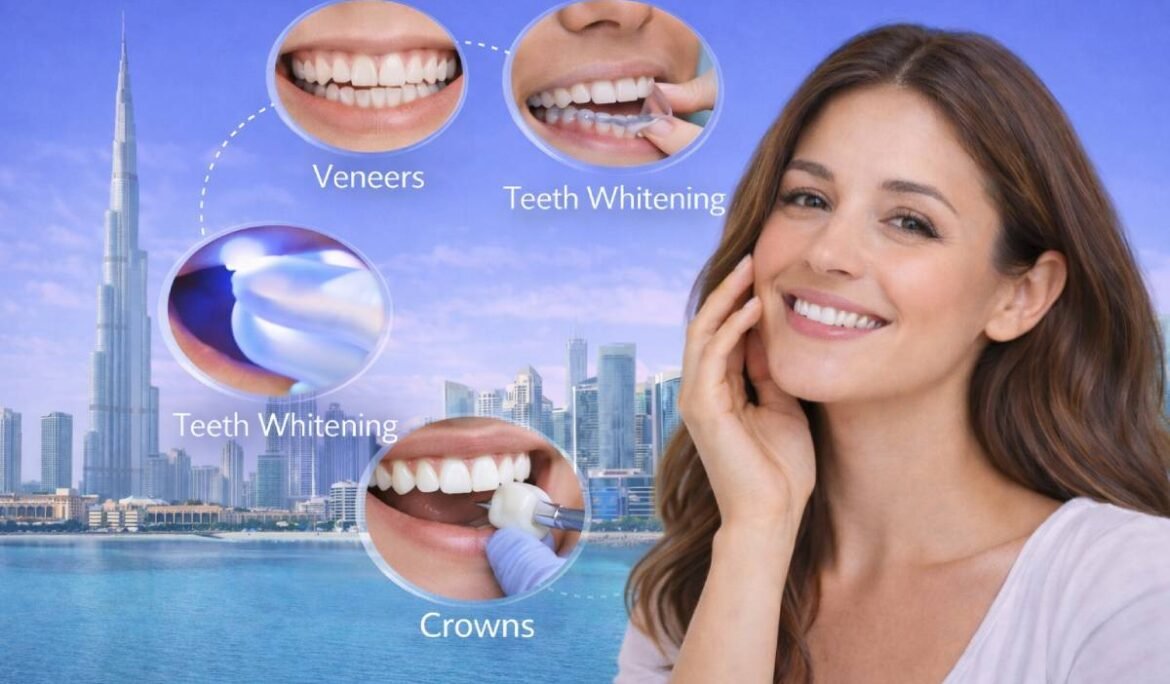
Professional Teeth Whitening and Bleaching
Professional-grade whitening treatments utilize concentrated bleaching agents (typically 25-40% hydrogen peroxide or carbamide peroxide) combined with LED or laser activation for dramatic, lasting results.
In-office whitening can lighten teeth by 8-10 shades in a single 60-90 minute session, addressing extrinsic stains from coffee, tea, tobacco, and aging. Take-home custom tray systems provide gradual whitening over 2-3 weeks with professional supervision.
Porcelain Veneers and Composite Veneers
Dental veneers represent one of the most transformative cosmetic solutions available. These ultra-thin shells (typically 0.5-0.7mm thick) bond to the front surface of teeth, completely renovating their appearance.
Porcelain veneers offer superior stain resistance, translucency matching natural enamel, and longevity of 10-15+ years with proper care. They address multiple concerns simultaneously: discoloration, chips, gaps, minor misalignment, and shape irregularities.
Composite resin veneers provide a more conservative, reversible option with same-day placement and lower cost, though with a shorter lifespan of 5-7 years.
Orthodontic Solutions: Clear Aligners and Braces
Modern orthodontics has evolved beyond traditional metal braces to include virtually invisible treatment options.
Clear aligner therapy (such as Invisalign) uses a series of custom-fabricated, removable trays to gradually reposition teeth over 6-18 months. These systems treat mild to moderate crowding, spacing, and bite irregularities with minimal aesthetic impact.
Ceramic braces and lingual braces (placed behind teeth) offer discreet alternatives to conventional orthodontics for more complex cases requiring precise tooth movement.
Dental Crowns and Fixed Bridges
All-ceramic crowns restore extensively damaged or root canal-treated teeth while providing natural translucency and color matching. Modern materials like zirconia and lithium disilicate offer exceptional strength (400-1200 MPa flexural strength) and biocompatibility.
Fixed dental bridges replace one or more missing teeth by anchoring prosthetic teeth to adjacent natural teeth, restoring both function and aesthetics without surgical intervention.
Dental Implants: The Gold Standard for Tooth Replacement
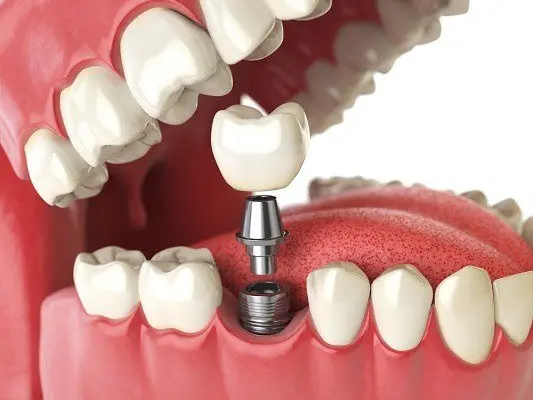
Dental implants represent the most advanced solution for missing teeth, offering permanent, natural-looking replacements that preserve jawbone density and facial structure.
The treatment involves surgically placing a titanium post into the jawbone, which integrates through osseointegration over 3-6 months. A custom crown is then attached, creating a restoration virtually indistinguishable from natural teeth.
Success rates exceed 95-98% for properly selected candidates with adequate bone volume and good oral health habits.
Laser Gum Contouring and Gingival Sculpting
Diode laser technology enables precise gum tissue reshaping to correct uneven gum lines, reduce excessive gingival display, and create ideal tooth proportions.
Laser procedures offer advantages over traditional scalpel methods: minimal bleeding, reduced post-operative discomfort, faster healing, and exceptional precision. Results are immediately visible with final contours settling within 2-3 weeks.
Composite Bonding for Minor Corrections
Direct composite bonding applies tooth-colored resin material to repair chips, close small gaps, reshape irregular teeth, or mask minor discoloration. This conservative, affordable treatment preserves natural tooth structure while providing immediate aesthetic improvement.
Results typically last 3-7 years before requiring touch-ups or replacement.
Digital Smile Design: Revolutionary Technology Transforming Cosmetic Dentistry
Digital Smile Design (DSD) represents a paradigm shift in treatment planning, patient communication, and outcome predictability. This technology-driven approach has become standard practice at leading smile design clinics worldwide.
How Digital Smile Design Works
Step 1: Comprehensive Digital Documentation High-resolution facial and dental photography, digital impressions or intraoral scans, and CBCT imaging capture every aspect of your current dental and facial anatomy.
Step 2: Digital Analysis and Design Specialized software analyzes facial proportions, dental relationships, and aesthetic parameters. The dentist digitally designs your ideal smile, respecting natural facial harmony and proven aesthetic principles.
Step 3: Virtual Smile Simulation You receive a realistic preview showing exactly how your new smile will look, often superimposed on your own photographs or displayed through 3D animation.
Step 4: Treatment Planning and Communication The digital design serves as a blueprint for treatment execution, ensuring all team members—dentist, lab technician, specialists—work toward the same clearly defined outcome.
Advantages of Digital Smile Design Technology
- Outcome predictability: See your results before any treatment begins
- Enhanced precision: Digital measurements eliminate guesswork and human error
- Improved communication: Visual representations bridge the gap between patient expectations and clinical delivery
- Collaborative planning: Patients actively participate in designing their smile
- Streamlined workflow: Digital files integrate seamlessly with CAD/CAM fabrication
- Temporary mockups: Physical temporaries can be created from the digital design for trial periods
This technology significantly reduces treatment uncertainty and increases patient satisfaction rates.
The Complete Smile Design Process: What to Expect
Understanding the treatment journey helps patients prepare mentally, financially, and logistically for their smile transformation.
Phase 1: Initial Consultation and Comprehensive Examination
Your first visit establishes the foundation for all subsequent treatment. Expect the following:
Medical and Dental History Review: Discussion of previous dental work, current concerns, medical conditions, medications, allergies, and lifestyle factors affecting treatment options.
Clinical Oral Examination: Thorough assessment of teeth, gums, bite alignment, jaw joints, and oral soft tissues to identify any underlying health issues requiring attention.
Diagnostic Records:
- Digital or traditional dental impressions
- Full-mouth X-rays or panoramic radiographs
- CBCT scans for implant planning
- Intraoral and extraoral photographs
- Shade analysis under controlled lighting
Goal Setting and Expectations: Open dialogue about your smile concerns, aesthetic preferences, budget considerations, and timeline expectations.
Phase 2: Comprehensive Smile Analysis and Custom Treatment Planning
The cosmetic dentist analyzes all diagnostic data using established aesthetic principles:
Golden Proportion Analysis: Evaluating tooth width ratios (central incisor to lateral incisor to canine should approximate 1.618:1:0.618)
Facial Symmetry Assessment: Examining midline alignment, horizontal facial thirds, and smile arc
Phonetic Evaluation: Ensuring proposed changes don’t negatively impact speech patterns
Functional Considerations: Verifying bite relationships, jaw movements, and TMJ health
A detailed, itemized treatment plan is developed outlining:
- Recommended procedures in optimal sequence
- Expected timeline with phase durations
- Itemized cost breakdown
- Alternative treatment options
- Maintenance requirements
Phase 3: Digital Preview or Physical Mockup
Many clinics provide visual representations of expected results:
Digital simulation shows your new smile through computer-generated imagery or video.
Wax-up models create physical representations of proposed changes using dental stone and wax.
Temporary composite mockups can be placed directly on your teeth (without tooth preparation) to let you “test drive” your new smile for days or weeks before committing to permanent changes.
Phase 4: Treatment Implementation
Treatment proceeds according to the approved plan, which may involve:
Single-visit procedures: Teeth whitening, composite bonding, or minor adjustments
Multi-appointment sequences: Veneer preparation and placement typically requires 2-3 visits over 2-3 weeks
Extended treatment timelines: Orthodontics (6-24 months), implant therapy (4-9 months including healing), or comprehensive full-mouth rehabilitation (3-12 months)
Most clinics provide temporary restorations between appointments to maintain aesthetics and function.
Phase 5: Final Evaluation and Delivery
Upon treatment completion, your dentist verifies:
- Proper fit, comfort, and function of all restorations
- Color match and aesthetic integration
- Bite balance and occlusal harmony
- Patient satisfaction with appearance and feel
- Oral hygiene instructions specific to your new restorations
Professional photographs document your transformation for your records.
Phase 6: Ongoing Maintenance and Follow-Up
Long-term success requires commitment to:
- Regular professional cleanings (typically every 3-6 months)
- Periodic examinations to monitor restoration integrity
- Possible adjustments or refinements as needed
- Replacement or refresh of aging restorations according to expected lifespan
Smile Design Treatment Costs in the UAE: Investment and Value
Cosmetic dentistry represents a significant financial investment, with costs varying based on multiple factors.
Price Influencing Factors
Treatment Complexity: Simple single-tooth bonding costs considerably less than comprehensive full-mouth rehabilitation involving multiple specialties.
Materials Selected: Premium porcelain systems (such as IPS e.max or BruxZir) command higher fees than standard materials due to superior aesthetics and longevity.
Clinic Location and Reputation: Facilities in prime locations (Dubai Marina, Downtown Dubai, Abu Dhabi) typically charge premium rates. Internationally-recognized clinics may also command higher fees reflecting their brand value.
Dentist Experience and Credentials: Board-certified cosmetic dentists, specialists with advanced training, and internationally-recognized practitioners justify higher fees through expertise and predictable outcomes.
Technology Integration: Clinics investing in digital smile design, CAD/CAM systems, laser technology, and 3D printing often pass equipment costs to patients but deliver superior precision and efficiency.
Approximate Cost Ranges in UAE (AED)
Teeth Whitening: 1,500 – 3,000 AED per session
Composite Bonding: 800 – 1,500 AED per tooth
Porcelain Veneers: 2,500 – 4,500 AED per tooth
Dental Crowns: 2,000 – 4,000 AED per crown
Clear Aligners: 12,000 – 25,000 AED for complete treatment
Single Dental Implant: 6,000 – 12,000 AED (including implant, abutment, and crown)
Gum Contouring: 2,000 – 5,000 AED depending on extent
Full Smile Makeover: 30,000 – 100,000+ AED depending on procedures included
Many clinics offer flexible payment plans, installment options, or partnerships with financing companies to make treatment more accessible.
Return on Investment Considerations
While costs appear substantial, patients should evaluate long-term benefits:
- Durability: Quality materials last 10-15+ years, effectively reducing annual cost
- Psychological value: Confidence gains affect career advancement, social relationships, and quality of life
- Preventive value: Properly aligned teeth and restored function prevent future dental problems
- Non-reversible aging: Addressing dental concerns earlier prevents more extensive (and expensive) intervention later
How to Choose the Right Smile Design Clinic in UAE
Selecting an appropriate provider is arguably the most crucial decision in your smile transformation journey. The UAE dental market offers numerous options, making informed selection essential.
Verify Dentist Qualifications and Expertise
Educational Background: Confirm graduation from accredited dental schools and specialized training in cosmetic or aesthetic dentistry.
Professional Memberships: Look for affiliations with organizations like the American Academy of Cosmetic Dentistry (AACD), British Academy of Cosmetic Dentistry, or Emirates Dental Society.
Continuing Education: Leading cosmetic dentists regularly attend workshops, conferences, and training courses to maintain cutting-edge skills.
Specialty Certifications: Board certification in prosthodontics, orthodontics, or periodontics indicates advanced expertise in specific treatment areas.
Assess Technology and Clinical Capabilities
Digital Integration: Modern clinics should offer digital impressions, 3D imaging, DSD software, and computer-aided design/manufacturing.
In-House Laboratory: On-site lab facilities enable better quality control, faster turnaround, and direct communication between dentist and technician.
Comprehensive Services: Full-service clinics with multiple specialists (orthodontist, periodontist, oral surgeon) under one roof streamline complex treatments.
Equipment Quality: State-of-the-art dental chairs, surgical microscopes, laser systems, and sterilization technology reflect commitment to excellence.
Review Patient Outcomes and Testimonials
Before-and-After Gallery: Extensive case documentation demonstrates consistent, high-quality results across diverse patient presentations.
Video Testimonials: Authentic patient stories provide insight into treatment experience, communication quality, and satisfaction levels.
Online Reviews: Platforms like Google Reviews, Trustpilot, and healthcare-specific review sites reveal patterns in patient feedback.
Social Media Presence: Active, educational social media accounts often indicate patient-focused practices committed to transparency.
Evaluate Safety and Hygiene Standards
Regulatory Compliance: Verify licensing through the Dubai Health Authority (DHA), Department of Health Abu Dhabi (DOH), or relevant emirate health authority.
Sterilization Protocols: Clinics should follow international infection control standards with autoclave sterilization, single-use disposables, and documented protocols.
Emergency Preparedness: Proper medical emergency equipment and staff trained in basic life support demonstrate comprehensive patient safety commitment.
Assess Communication and Transparency
Consultation Quality: Initial consultations should feel unhurried, comprehensive, and focused on understanding your goals rather than pushing specific treatments.
Treatment Explanation: Dentists should clearly explain procedures, alternatives, risks, benefits, and expected outcomes in understandable language.
Cost Transparency: Detailed, written treatment plans with itemized costs prevent surprise charges and enable informed financial decisions.
Realistic Expectations: Trustworthy providers honestly discuss limitations, potential complications, and realistic outcome expectations rather than making unrealistic promises.
Consider Practical Factors
Location and Accessibility: Convenient location reduces treatment burden, especially for multi-appointment procedures.
Appointment Availability: Flexible scheduling accommodates work commitments and urgent needs.
Aftercare Support: Established protocols for handling emergencies, questions, or adjustments after treatment completion indicate ongoing commitment to patient welfare.
Latest Technological Advances in Cosmetic Dentistry
The field of aesthetic dentistry experiences rapid innovation, with new materials, techniques, and technologies continually emerging.
Artificial Intelligence in Smile Analysis and Design
AI-powered software now analyzes facial photographs, predicts optimal tooth positions, and generates multiple smile design options based on learned aesthetic preferences from thousands of cases.
Machine learning algorithms assist in:
- Automated cephalometric analysis
- Shade matching with unprecedented accuracy
- Predicting tooth movement in orthodontic treatment
- Identifying optimal implant positions
3D Printing Revolution
Additive manufacturing has transformed dental laboratory workflows:
Same-Day Restorations: In-office 3D printers produce temporary crowns, bridges, and surgical guides within hours.
Precise Surgical Planning: Patient-specific surgical guides improve implant placement accuracy and reduce procedural time.
Clear Aligner Fabrication: Direct printing of orthodontic aligners reduces cost and increases customization options.
Biocompatible Materials: Advanced resins and ceramics suitable for 3D printing expand treatment possibilities.
Minimally Invasive Cosmetic Procedures
Modern cosmetic dentistry prioritizes tooth structure preservation:
No-Prep Veneers: Ultra-thin porcelain veneers (0.3mm or less) often require minimal or no tooth reduction, maintaining natural enamel integrity.
Air Abrasion Technology: Kinetic energy removes decay without drills, preserving healthy tooth structure.
Biomimetic Dentistry: Treatment approaches that replicate natural tooth properties and function rather than traditional “drill and fill” methods.
Advanced Ceramic and Composite Materials
Zirconia Innovations: High-translucency zirconia combines the strength of traditional zirconia (1000+ MPa) with improved aesthetics rivaling lithium disilicate.
Nano-Hybrid Composites: Enhanced filler technology produces composite resins with superior polish retention, wear resistance, and color stability.
Bioactive Materials: Restorative materials that release fluoride, calcium, and phosphate ions promote remineralization and reduce secondary decay risk.
Laser Dentistry Applications
Soft Tissue Lasers: Diode and erbium lasers perform gum contouring, frenectomies, and lesion removal with minimal discomfort and rapid healing.
Hard Tissue Lasers: Erbium YAG lasers enable cavity preparation in some cases without anesthesia due to reduced heat and vibration.
Laser-Assisted Whitening: Light-activated bleaching systems accelerate whitening reactions for faster, more dramatic results.
Maintaining Your Smile Design Results: Long-Term Care
Cosmetic dental investments require proper maintenance to preserve aesthetics and function for years or decades.
Essential Daily Oral Hygiene
Proper Brushing Technique: Use soft-bristled brushes with fluoride toothpaste, brushing for two minutes twice daily. Electric brushes with pressure sensors prevent excessive force that can damage restorations or irritate gums.
Interdental Cleaning: Daily flossing removes plaque and food particles from areas brushing cannot reach. Water flossers (oral irrigators) provide effective alternatives for those with dexterity challenges or dental work complicating traditional flossing.
Antimicrobial Rinses: Alcohol-free therapeutic mouthwashes reduce bacterial load and support gum health without drying oral tissues.
Dietary Considerations
Minimize Staining Agents: Coffee, tea, red wine, curry, and tobacco significantly stain natural teeth and some restorative materials. Rinse with water after consumption or use straws for beverages.
Avoid Excessive Force: Hard foods (ice, hard candy, nuts) can chip porcelain or composite restorations. Cut hard fruits and vegetables into smaller pieces rather than biting with front teeth.
Limit Acidic Exposure: Frequent acid exposure (citrus, sodas, energy drinks) erodes enamel and can degrade bonding interfaces on composite restorations.
Protective Measures
Night Guards for Bruxism: Custom-fitted occlusal guards protect veneers, crowns, and natural teeth from grinding and clenching damage during sleep.
Sports Mouthguards: Athletic activities warrant protective guards, especially after significant cosmetic investment in anterior teeth.
Avoid Destructive Habits: Nail biting, pen chewing, and using teeth as tools jeopardize restoration longevity.
Professional Maintenance
Regular Dental Cleanings: Professional prophylaxis every 3-6 months removes calculus buildup, polishes restorations, and allows early detection of problems.
Periodic Examinations: Annual or biannual comprehensive exams identify wear patterns, marginal defects, or developing issues before they compromise results.
Touch-Ups and Refinements: Composite bonding may require periodic polishing or replacement every 5-7 years. Whitening maintenance treatments keep natural teeth matching restored teeth.
Expected Restoration Lifespans
Teeth Whitening: 6 months – 2 years (depending on lifestyle habits)
Composite Bonding: 5-7 years average
Porcelain Veneers: 10-15 years (many last 20+ years with excellent care)
Dental Crowns: 10-15 years for porcelain, 15-25+ years for zirconia
Dental Implants: 20+ years for the implant post; crowns replaced every 10-15 years
Clear Aligners Results: Permanent with proper retainer use; results may shift without retention
The Psychological and Social Impact of Smile Transformation
Clinical literature increasingly recognizes the profound psychological benefits of cosmetic dental treatment.
Research-Backed Psychological Benefits
A 2019 study published in the Journal of Esthetic and Restorative Dentistry found that 85% of patients reported improved self-confidence following cosmetic dental treatment, with 78% noting enhanced social interactions.
Confidence and Self-Esteem: Patients consistently report reduced self-consciousness, increased willingness to smile in photographs, and greater comfort in social situations.
Professional Advantages: Research indicates that individuals with attractive smiles are perceived as more successful, trustworthy, and competent in professional settings. Some studies suggest improved interview performance and career advancement opportunities.
Social Relationship Quality: Enhanced smile aesthetics correlate with increased social engagement, dating confidence, and perceived approachability.
Emotional Transformation Beyond Physical Change
Many patients describe their smile transformation as life-changing, citing:
- Liberation from years of hiding their smile
- Elimination of anxiety around social events or photographs
- Renewed sense of youthfulness and vitality
- Motivation for broader self-improvement in health and appearance
This psychological dimension represents significant value beyond the physical dental work itself.
Common Misconceptions About Smile Design Clinics
Addressing prevalent myths helps patients make informed decisions based on accurate information.
“Smile Design Is Only for Wealthy Celebrities”
Reality: Cosmetic dentistry has become increasingly accessible across socioeconomic levels. Flexible payment plans, various material options at different price points, and graduated treatment approaches make smile enhancement achievable for diverse budgets. Many clinics offer phased treatment, allowing patients to address priority concerns first and complete remaining work as finances permit.
“Cosmetic Dental Procedures Are Extremely Painful”
Reality: Modern techniques emphasize patient comfort through effective local anesthesia, sedation options (oral sedation, IV sedation, nitrous oxide), and minimally invasive approaches. Most patients report little to no discomfort during procedures, with any post-treatment sensitivity typically manageable with over-the-counter pain relievers. Laser procedures often require no anesthesia at all.
“Results Always Look Fake and Unnatural”
Reality: The “chiclet teeth” appearance results from poor treatment planning, not inherent to cosmetic dentistry. Skilled cosmetic dentists create results that honor natural tooth proportions, incorporate characterization (subtle variations in shape and translucency), and respect facial harmony. Digital smile design and proper communication ensure results align with patient preferences for conservative, natural aesthetics.
“Cosmetic Dentistry Is Purely Superficial With No Health Benefits”
Reality: Many cosmetic procedures provide significant functional and health advantages. Orthodontics improves bite alignment and reduces TMJ strain. Dental implants preserve jawbone density. Crown lengthening eliminates bacterial traps beneath gum tissue. Properly aligned teeth are easier to clean, reducing decay and gum disease risk. The distinction between “cosmetic” and “functional” dentistry often blurs significantly.
“All Dentists Provide Equivalent Cosmetic Results”
Reality: Cosmetic dentistry represents an art form as much as a science. Training, experience, artistic sensibility, and attention to detail vary significantly among practitioners. Just as all painters don’t produce equivalent artwork despite using similar materials, cosmetic dentists achieve vastly different outcome quality levels. Thorough research and provider selection critically impact satisfaction.
The Future of Smile Design: Emerging Trends and Innovations
The cosmetic dentistry field continues evolving rapidly with exciting developments on the horizon.
Personalized Dentistry Through Genetic Analysis
Emerging research explores how genetic factors influence:
- Individual response to whitening agents
- Predisposition to gum recession or bone loss around implants
- Optimal materials based on oral microbiome composition
- Personalized preventive protocols
Future smile design may incorporate genetic testing to optimize treatment selection and predict long-term outcomes.
Bioengineered Tooth Regeneration
Stem cell research investigates possibilities for biological tooth replacement, potentially enabling patients to grow replacement teeth rather than relying on artificial restorations. While still experimental, this technology could revolutionize tooth replacement within coming decades.
Virtual Reality Treatment Planning
VR technology allows patients to “experience” their new smile in immersive environments before treatment begins, providing unprecedented visualization of how results integrate with their daily life and expressions.
Smart Dental Materials
Research focuses on developing materials with:
- Self-healing properties to repair minor damage
- Antibacterial properties to prevent decay around restorations
- Color-changing capabilities to alert patients to pH changes indicating decay risk
- Bioactive components promoting natural tooth remineralization
Teledentistry Integration
Remote consultations, digital monitoring of treatment progress, and virtual follow-up appointments increase accessibility for patients with geographic, mobility, or time constraints. AI-assisted analysis of patient-submitted photos enables preliminary assessment before in-person visits.
Augmented Reality for Chairside Visualization
AR overlays during treatment allow dentists to see internal tooth structures, implant positions, or design specifications superimposed on the patient’s anatomy in real-time, improving precision and efficiency.
Regional Considerations: Smile Design in the United Arab Emirates
The UAE dental market presents unique characteristics influencing smile design services.
Diverse Patient Demographics
UAE clinics serve highly international patient populations from Europe, Asia, Africa, and the Middle East, requiring cultural sensitivity to varying aesthetic preferences. Smile design approaches must adapt to diverse facial structures, skin tones, and cultural beauty standards.
Regulatory Environment
The Dubai Health Authority (DHA), Department of Health Abu Dhabi (DOH), and other emirate health authorities maintain strict licensing requirements, ensuring practitioners meet international standards. Patients should verify clinic and dentist licensing through official channels.
Medical Tourism Hub
Dubai and Abu Dhabi attract dental tourists seeking high-quality cosmetic dentistry at competitive prices compared to Western markets. Many clinics offer concierge services, accommodation assistance, and treatment packages designed for international patients.
Technological Advancement
UAE clinics frequently adopt cutting-edge technologies early, with many facilities featuring the latest digital smile design software, CAD/CAM systems, and laser technologies comparable to or exceeding Western dental markets.
Frequently Asked Questions About Smile Design Clinics
How long does a complete smile makeover take?
Treatment duration varies significantly based on procedures involved. Simple cases (whitening plus bonding) may complete in 2-3 weeks. Comprehensive makeovers involving orthodontics or implants typically require 6-18 months. Your dentist provides a detailed timeline during treatment planning.
Are smile design treatments covered by dental insurance?
Most insurance plans classify cosmetic procedures as elective, providing limited or no coverage. However, treatments with functional components (crowns for damaged teeth, orthodontics for bite problems) may receive partial coverage. Review your policy and obtain pre-authorization when possible.
Can I see results before committing to treatment?
Yes. Digital Smile Design technology, temporary mockups, and wax models allow you to visualize and even test proposed changes before permanent alterations. Reputable clinics never proceed without ensuring you understand and approve expected outcomes.
What happens if I’m unhappy with results?
Ethical clinics work collaboratively to address concerns through adjustments, refinements, or in rare cases, restoration replacement. Discuss satisfaction guarantees and revision policies before beginning treatment. Clear communication during planning minimizes dissatisfaction risk.
Is there an age limit for cosmetic dental treatment?
No strict upper limit exists for most procedures, provided overall health permits. Younger patients should have completed facial growth (typically late teens) before certain treatments like veneers. Dentists assess individual candidacy regardless of age.
Conclusion
A smile design clinic offers specialized cosmetic dental expertise that combines advanced technology, artistic skill, and personalized care to transform smiles and enhance lives. From professional teeth whitening and porcelain veneers to comprehensive full-mouth rehabilitation, these specialized facilities provide solutions for virtually every aesthetic dental concern.
Success in smile design depends on three critical factors: selecting a qualified, experienced provider; understanding treatment options and setting realistic expectations; and committing to long-term maintenance of results. The UAE dental market offers exceptional options with internationally-trained dentists, state-of-the-art technology, and competitive pricing within a regulated healthcare environment.
Modern cosmetic dentistry delivers more than aesthetic improvement. The confidence gained, psychological benefits achieved, and functional enhancements realized represent investments in overall quality of life. With proper research, realistic expectations, and commitment to maintenance, achieving the smile you’ve always desired is more accessible than ever.
Whether addressing minor imperfections or pursuing complete smile transformation, today’s smile design clinics offer sophisticated solutions backed by science, enhanced by technology, and delivered with artistic precision. Your journey toward a confident, radiant smile begins with a single consultation.
5 FAQ Questions
- How much does a smile makeover cost in Dubai? A complete smile makeover in Dubai typically ranges from 30,000 to 100,000+ AED depending on the procedures involved. Simple treatments like whitening (1,500-3,000 AED) cost significantly less than comprehensive cases requiring veneers, implants, or orthodontics. Most reputable clinics offer detailed treatment plans with itemized costs and flexible payment options.
- Is smile design painful? Most smile design procedures involve minimal discomfort due to modern anesthesia techniques and minimally invasive approaches. Patients may experience mild sensitivity for a few days after treatments like veneer placement or whitening, typically managed with over-the-counter pain relievers. Many laser procedures require no anesthesia at all.
- How long do porcelain veneers last? Porcelain veneers typically last 10-15 years with proper care, though many patients enjoy 20+ years of service. Longevity depends on oral hygiene habits, dietary choices, avoiding destructive habits (teeth grinding, nail biting), and regular dental maintenance. Quality materials and expert placement significantly influence lifespan.
- Can smile design fix crooked teeth without braces? Yes, several options address crooked teeth without traditional braces. Clear aligners (like Invisalign) straighten teeth invisibly over 6-18 months. For cosmetic concerns only, porcelain veneers can create the appearance of straight teeth without moving them. Your dentist recommends the best approach based on severity and functional needs.
- What is Digital Smile Design and how does it work? Digital Smile Design (DSD) uses specialized software to analyze facial photographs, dental scans, and patient preferences to create a digital preview of your new smile before treatment begins. This technology enables precise planning, improved communication between patient and dentist, and predictable outcomes. You can visualize results and provide input before any permanent changes occur.


اترك تعليقاً