
What Are Dental Implants?
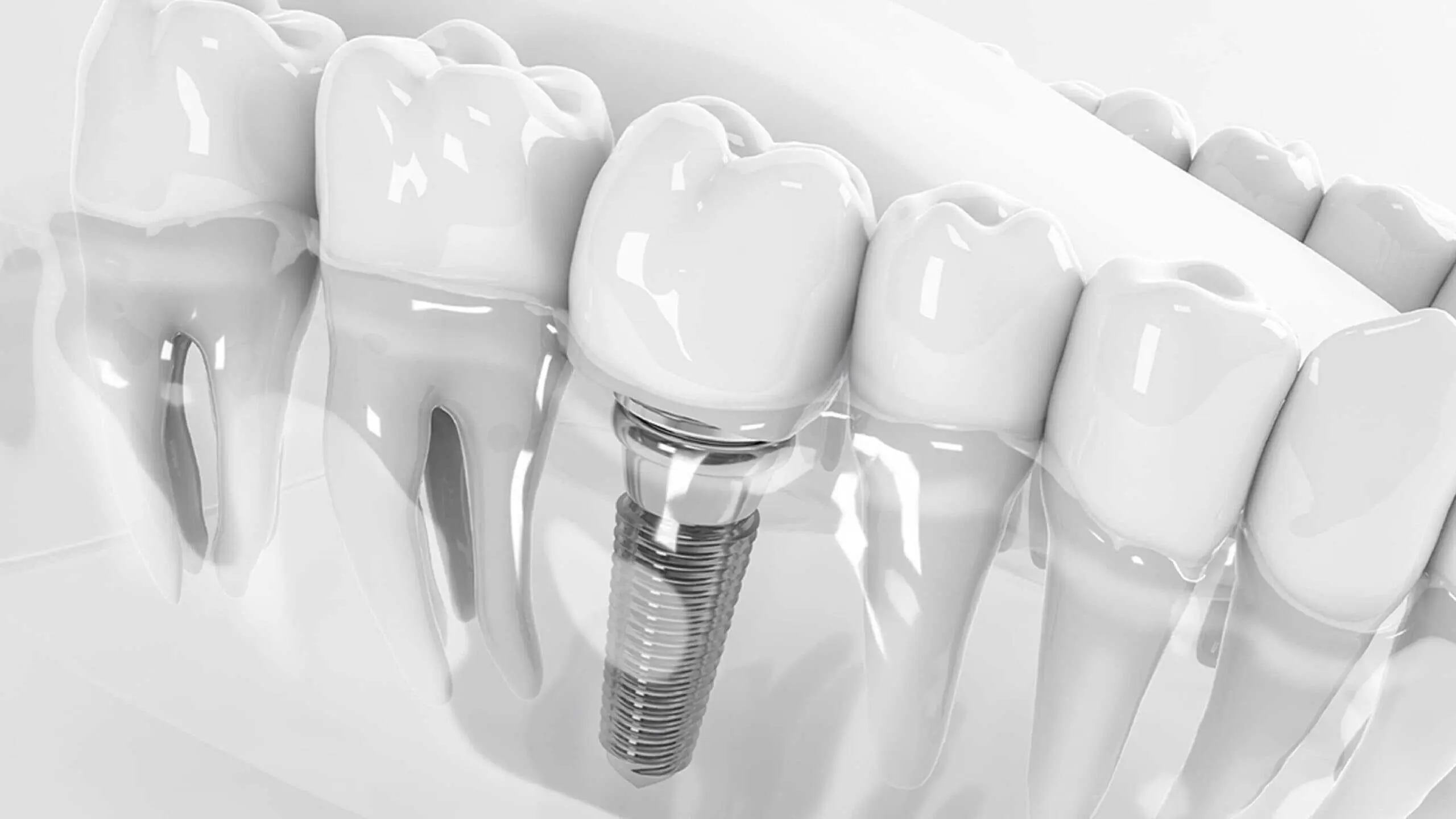
Dental implants are titanium posts surgically inserted into your jawbone to replace missing tooth roots. Unlike dentures or bridges, implants fuse permanently with your bone through a natural process called osseointegration, creating a stable foundation for artificial teeth that look, feel, and function like natural ones.
Each implant system consists of three essential components:
The Implant Fixture: A small titanium screw embedded directly into the jawbone, serving as an artificial root that integrates with surrounding bone tissue.
The Abutment: A connector piece that attaches to the implant and protrudes through the gum tissue, linking the buried implant to the visible restoration.
The Prosthetic Crown: A custom-fabricated artificial tooth designed to match your natural teeth in shape, size, and color, providing both aesthetic appeal and functional restoration.
This three-part design allows dental implants to replicate natural tooth structure more accurately than any other replacement option available today.
Why You Might Need Dental Implants
Tooth loss affects millions worldwide, resulting from conditions that range from preventable to unavoidable. Understanding the causes helps patients appreciate why permanent replacement matters:
Common Causes of Tooth Loss:
- Advanced periodontal disease destroying bone support
- Severe dental decay extending beyond repair
- Facial trauma from accidents or sports injuries
- Failed root canal treatments requiring extraction
- Congenital absence of permanent teeth
- Systemic diseases affecting oral health
Missing teeth create consequences extending far beyond appearance. Gaps in your smile can compromise chewing efficiency, alter speech patterns, trigger jaw joint problems, and accelerate bone loss in the jaw. Adjacent teeth often shift into empty spaces, creating bite misalignment and increasing cavity risk.
Dental implants address these problems comprehensively, preventing the cascade of complications that follow tooth loss.
The Science Behind Dental Implants: Osseointegration Explained
Modern implant dentistry exists because of a groundbreaking discovery made by Swedish orthopedic surgeon Per-Ingvar Brånemark in the 1950s. While studying bone healing in rabbits, Brånemark observed that titanium chambers he’d placed in bone tissue became permanently fused—impossible to remove without breaking the bone.
This phenomenon, which Brånemark termed osseointegration, describes the direct structural and functional bond between living bone and a titanium implant surface. Unlike other metals that trigger rejection or form fibrous scar tissue, titanium becomes incorporated into bone at a cellular level.
How Osseointegration Works:
When surgeons place a titanium implant into prepared bone, the body recognizes the surface as biocompatible rather than foreign. Over weeks and months, bone cells called osteoblasts migrate to the implant surface, depositing new bone matrix directly onto the titanium. This living bone tissue gradually covers the implant threads, creating a mechanical lock stronger than the bone-tooth connection found in natural teeth.
This biological integration process typically requires 3-6 months, depending on bone quality, implant location, and individual healing capacity. The resulting bond can withstand normal chewing forces for decades, explaining why implants achieve success rates exceeding 95% in healthy patients.
Who Can Get Dental Implants? Candidacy Requirements
Dental implants work exceptionally well for most patients, but certain conditions must be met for optimal outcomes:
Ideal Candidate Characteristics
Sufficient Bone Density: Your jawbone must have adequate height, width, and density to support the implant. Bone naturally shrinks after tooth loss, so patients who’ve been missing teeth for years may require bone grafting before implant placement.
Healthy Gum Tissue: Active periodontal disease must be treated and controlled before implant surgery. Bacteria causing gum disease can compromise implant integration and lead to failure.
Good Overall Health: Conditions like uncontrolled diabetes, active cancer treatment, or severe osteoporosis can impair healing. These don’t automatically disqualify candidates but require careful evaluation and management.
Completed Jaw Growth: Younger patients must wait until facial bones finish developing, typically around age 18-21, though timing varies individually.
Commitment to Oral Hygiene: Implant longevity depends on meticulous daily cleaning and regular professional maintenance. Patients unwilling or unable to maintain excellent hygiene face higher failure risks.
Factors That Complicate Implant Treatment
Heavy Smoking: Tobacco use constricts blood vessels, reducing oxygen delivery to healing tissues. Smokers experience implant failure rates 2-3 times higher than non-smokers. Many dentists require smoking cessation before proceeding with implants.
Teeth Grinding (Bruxism): Chronic clenching or grinding places excessive force on implants, potentially causing mechanical failure. Night guards and stress management may be necessary.
Radiation Therapy: Previous radiation treatment to the head and neck area damages bone cells and blood vessels, significantly reducing successful integration chances in irradiated bone.
Certain Medications: Bisphosphonates (used for osteoporosis) and some immunosuppressants can interfere with bone healing and increase complication risks.
Despite these considerations, advances in surgical techniques and materials have expanded candidacy to include many patients previously deemed unsuitable.
Types of Dental Implants Available in UAE
Modern implant dentistry offers several implant configurations designed for different clinical situations:
Endosteal Implants (Most Common)
These traditional implants screw directly into the jawbone and represent over 90% of placements worldwide. Endosteal implants come in various diameters and lengths to accommodate different anatomical situations.
Standard Diameter Implants: Used for typical molar and premolar replacements where adequate bone width exists.
Narrow Diameter Implants: Designed for restricted spaces, such as replacing lower incisors or when bone width is limited.
Wide Diameter Implants: Provide enhanced stability for large molars or in situations requiring immediate loading.
Subperiosteal Implants (Rare)
These specialized implants sit on top of the jawbone beneath the gum tissue rather than embedding within bone. Custom-fabricated metal frameworks rest on the bone surface, with posts protruding through the gums to support prosthetics.
Subperiosteal implants serve patients with insufficient bone height who cannot or will not undergo bone grafting. However, they’re largely obsolete due to improvements in bone augmentation techniques.
Zygomatic Implants (Advanced Cases)
When severe bone loss affects the upper jaw, especially in the posterior region, zygomatic implants offer an alternative to extensive grafting. These extra-long implants (40-50mm) anchor in the cheekbone (zygoma) rather than the maxilla, bypassing areas of deficient bone.
Zygomatic implant placement requires advanced surgical expertise and specialized training. Few clinics in the UAE offer this technique, typically reserving it for complex full-arch reconstructions.
Immediate Load vs. Delayed Load Implants
Immediate Load Implants: Sometimes called “teeth in a day,” these implants receive temporary crowns at the time of surgical placement. Success requires excellent bone quality and primary stability.
Delayed Load Implants: The traditional approach waits 3-6 months after implant placement before attaching prosthetics, allowing complete osseointegration. This conservative method achieves the highest success rates.
The Dental Implant Procedure: What to Expect Step-by-Step
Understanding the implant process helps patients prepare mentally and practically for treatment:
Phase 1: Comprehensive Evaluation and Planning (1-2 Visits)
Your journey begins with thorough assessment including:
Clinical Examination: Your dentist evaluates remaining teeth, gum health, bite relationship, and available space for implants.
Advanced Imaging: Cone Beam Computed Tomography (CBCT) scans provide 3D views of your jawbone, revealing exact bone dimensions, nerve locations, and sinus positions. This technology enables precise virtual implant placement before surgery.
Medical History Review: Disclosing all medications, health conditions, and lifestyle factors ensures safe treatment planning.
Treatment Planning: Your dentist develops a customized plan specifying implant size, position, angle, and type of restoration. Computer-guided planning software increasingly assists this process.
Phase 2: Preparatory Procedures (If Needed)
Many patients require additional procedures before implant placement:
Tooth Extraction: If replacing a failing tooth, extraction occurs first, with healing time typically 6-12 weeks before implant placement.
Bone Grafting: When insufficient bone exists, grafting materials (synthetic, bovine, or human donor bone) are placed to rebuild volume. Healing requires 4-6 months before implants can be placed.
Sinus Lift: For upper jaw posterior implants, the sinus floor may need elevation to create adequate bone height. This adds months to the treatment timeline.
Phase 3: Implant Placement Surgery (1-2 Hours)
The surgical appointment follows this general sequence:
Anesthesia Administration: Local anesthetic numbs the surgical site. Sedation options include oral medication, nitrous oxide, or IV sedation for anxious patients.
Gum Incision: The surgeon creates a flap in the gum tissue, exposing the underlying bone.
Bone Preparation: Using precision drills of increasing diameter, the surgeon creates a socket matching implant dimensions. Constant irrigation prevents overheating.
Implant Insertion: The titanium implant is carefully screwed or tapped into the prepared socket, positioned at the planned depth and angle.
Closure: A healing cap or cover screw protects the implant while gum tissue is sutured closed. Some protocols leave the implant exposed with a healing abutment.
Temporary Restoration: Depending on aesthetic needs and bone stability, temporary teeth may be provided immediately or after healing.
Post-surgical discomfort typically resembles tooth extraction recovery, manageable with over-the-counter or prescribed pain medication.
Phase 4: Osseointegration Healing Period (3-6 Months)
During this crucial period, patients return to normal activities while bone integration occurs beneath the gums. Your dentist may provide temporary removable teeth for aesthetics. Regular check-ups ensure proper healing without complications.
Phase 5: Abutment Placement (Minor Procedure)
Once osseointegration completes, a minor procedure exposes the implant:
- The surgeon reopens gum tissue over the implant
- A healing abutment replaces the cover screw, allowing gums to form around it
- Gums heal for 1-2 weeks, creating an emergence profile for the crown
Phase 6: Final Restoration (2-3 Weeks)
The concluding phase involves:
Digital or Physical Impressions: Capturing precise implant position and surrounding tooth relationships.
Shade Selection: Matching crown color to adjacent teeth for seamless aesthetics.
Try-In Appointment: Verifying fit, appearance, and bite relationship before final cementation.
Final Placement: Securing the custom crown to the abutment, completing your restoration.
Your dentist provides instructions for cleaning and maintaining your new tooth, along with a schedule for follow-up appointments.
Dental Implant Costs in UAE: What You’ll Pay
Implant treatment represents a significant investment, with costs varying based on complexity and provider:
Typical Price Ranges in UAE (2026)
Single Tooth Implant: AED 4,000 – AED 12,000
- Includes implant fixture, abutment, and crown
- European and American implant systems cost more than Asian brands
- Premium aesthetics (custom zirconia abutments) increase fees
Multiple Tooth Implant Bridge: AED 15,000 – AED 35,000
- For replacing 3-4 consecutive teeth
- Uses 2-3 implants supporting connected crowns
- More economical than individual implants per tooth
Full Arch Restoration (All-on-4/All-on-6): AED 35,000 – AED 80,000 per arch
- Replaces entire upper or lower arch with 4-6 implants
- Includes immediate temporary teeth and final prosthesis
- Premium materials and experienced surgeons command higher fees
Additional Procedures:
- Bone grafting: AED 2,000 – AED 8,000 per site
- Sinus lift: AED 5,000 – AED 15,000
- CT scan: AED 500 – AED 1,500
- Sedation: AED 1,000 – AED 3,000
Factors Affecting Implant Costs
Implant System Brand: Nobel Biocare, Straumann, and other premium European systems cost significantly more than Korean or Chinese alternatives. Premium brands offer extensive research backing and longer track records.
Dentist Experience: Board-certified specialists (prosthodontists, oral surgeons, periodontists) typically charge more than general dentists, reflecting advanced training and expertise.
Clinic Location and Facilities: Practices in Dubai Marina or Abu Dhabi’s premium districts have higher overhead costs than those in Sharjah or Ajman.
Materials Used: All-ceramic crowns cost more than porcelain-fused-to-metal. Zirconia abutments exceed titanium alternatives.
Technology Integration: Clinics using computer-guided surgery, digital impressions, and in-house labs may charge premium fees but often deliver superior precision.
Insurance Coverage in UAE
Most health insurance plans in the UAE classify dental implants as cosmetic or elective procedures, offering minimal or no coverage. However, some comprehensive plans provide partial coverage (20-50%) for implants when tooth loss results from accident or medical necessity rather than decay or periodontal disease.
Before treatment, request a predetermination from your insurance provider. Some dental clinics offer payment plans or partnerships with financing companies to make implants more accessible.
Benefits of Choosing Dental Implants Over Other Options
Dental implants offer advantages that justify their premium cost compared to conventional bridges and dentures:
Superior Functionality and Comfort
Implants restore approximately 80-90% of natural chewing force, compared to 20-25% for conventional dentures. This allows you to eat challenging foods—crisp vegetables, tough meats, sticky foods—without worry.
Unlike removable dentures that shift during eating or speaking, implants remain absolutely stable. You never experience embarrassing slippage, clicking sounds, or the need for adhesive creams.
Jawbone Preservation
When teeth are lost, the surrounding bone no longer receives stimulation from chewing forces. Without this mechanical loading, bone tissue resorbs (shrinks away), potentially losing 25% of width within the first year.
Dental implants transmit chewing forces directly into bone, mimicking natural tooth roots. This stimulation maintains bone density and prevents the facial collapse and premature aging appearance associated with extensive tooth loss.
Bridges and dentures provide no bone stimulation, allowing continued deterioration beneath them.
Protection of Healthy Adjacent Teeth
Traditional dental bridges require grinding down the two teeth adjacent to a gap, removing healthy enamel to create room for bridge anchors. This irreversible modification increases future cavity and root canal risks for those support teeth.
Implants replace missing teeth independently, preserving neighboring teeth in their original, unaltered state.
Longevity and Cost-Effectiveness Over Time
While implants cost more initially, their exceptional durability creates long-term value. Quality implants routinely last 20-30+ years with proper care, and many last a lifetime. The crown may require replacement every 10-15 years, but the implant itself typically remains functional.
Conventional bridges average 7-10 years before needing replacement. Dentures require relining every few years and complete replacement every 5-8 years as continuing bone loss changes jaw shape.
Calculated over decades, implant cost per year of service often equals or beats alternatives.
Natural Aesthetics
Modern implant crowns are virtually indistinguishable from natural teeth. Your dentist customizes color, shape, translucency, and surface texture to blend seamlessly with your smile.
Gum tissue forms naturally around implant abutments, creating the same emergence profile seen with natural teeth rather than the artificial gum-line appearance common with bridges.
Improved Speech and Confidence
Missing front teeth or ill-fitting dentures can create speaking difficulties, particularly with sounds requiring tongue-to-teeth contact (f, v, s, th sounds). Implants restore normal speech patterns.
The psychological benefit of knowing your teeth won’t shift, fall out, or cause embarrassment profoundly impacts quality of life, social engagement, and professional confidence.
Potential Risks and Complications of Dental Implants
While implants achieve high success rates, patients should understand possible complications:
Implant Failure
Between 5-10% of implants fail to integrate properly or fail after initial success. Early failures (within months) usually result from infection, insufficient bone healing, or excessive early loading. Late failures (after years) typically stem from peri-implantitis (implant gum disease) or mechanical fracture.
Risk factors increasing failure rates:
- Smoking and tobacco use
- Uncontrolled diabetes
- Poor oral hygiene
- Inadequate bone quality or quantity
- Bruxism (teeth grinding)
- Previous radiation therapy
Infection
As with any surgery, infection risk exists. Proper sterile technique, pre-surgical antibiotic prophylaxis (when indicated), and post-operative care instructions minimize this risk to under 2%. Signs include persistent pain, swelling, discharge, or fever requiring immediate attention.
Nerve Damage
Lower jaw implants placed too deeply or at improper angles can contact the inferior alveolar nerve, causing temporary or permanent numbness in the lip, chin, or tongue. This complication occurs in less than 1% of cases when proper imaging and planning precede surgery.
Sinus Complications
Upper jaw posterior implants that protrude into the maxillary sinus can cause sinusitis, sinus membrane perforation, or implant migration into the sinus cavity. CBCT imaging and careful surgical technique prevent most complications.
Mechanical Complications
Abutment screws can loosen over time (typically easy to retighten), and porcelain crowns may chip or fracture under excessive force. Night guards protect against grinding damage.
Peri-Implantitis
This inflammatory condition affecting tissues around implants resembles periodontal disease around teeth. Bacterial plaque accumulation causes progressive bone loss around the implant, potentially leading to failure if untreated.
Prevention requires meticulous home hygiene and regular professional cleanings. Early-stage peri-implantitis responds to professional cleaning and improved hygiene; advanced cases may require surgical intervention.
Materials Used in Modern Dental Implants
Material science continues advancing implant performance and aesthetics:
Titanium Implants (Industry Standard)
Grade 4 Commercially Pure Titanium: The most widely used implant material for over 50 years, offering proven biocompatibility, corrosion resistance, and mechanical strength. Surface treatments like acid-etching or sandblasting enhance osseointegration.
Titanium Alloys (Ti-6Al-4V): Combining titanium with aluminum and vanadium creates stronger implants suitable for narrow-diameter applications where pure titanium might fracture.
Titanium’s gray color occasionally shows through thin gum tissue, creating aesthetic challenges in the smile zone for patients with thin biotype.
Zirconia Implants (Metal-Free Alternative)
Zirconia (zirconium dioxide) ceramic implants appeal to patients preferring metal-free dentistry or those with documented titanium sensitivities (extremely rare).
Advantages:
- Tooth-colored, eliminating gray show-through
- Excellent biocompatibility
- Lower plaque affinity than titanium
- One-piece design eliminates abutment-implant microgap
Limitations:
- Less long-term clinical data (15+ years vs. 50+ for titanium)
- More brittle, with higher fracture risk
- Limited prosthetic options due to one-piece design
- Higher cost
Current research shows promising medium-term results, but titanium remains the evidence-based gold standard.
Surface Treatments and Coatings
Modern implants feature sophisticated surface modifications enhancing osseointegration:
SLA (Sandblasted, Large-grit, Acid-etched): Creates microscopic roughness accelerating bone cell attachment.
Anodized Surfaces: Electrochemical treatment produces titanium oxide layers with specific properties promoting faster healing.
Calcium Phosphate Coatings: Biomimetic coatings chemically similar to natural bone mineral may speed integration, though evidence remains mixed.
Research continues exploring growth factor incorporation and nanotopography modifications to further optimize healing.
How to Care for Your Dental Implants: Maintenance Guide
Proper maintenance ensures implants achieve their maximum lifespan:
Daily Home Care Requirements
Gentle Brushing: Clean implant crowns twice daily using a soft-bristled toothbrush and non-abrasive toothpaste. The crown requires the same care as natural teeth to prevent plaque buildup.
Specialized Flossing: Use unwaxed floss, floss threaders, or water flossers to clean around implant abutments and beneath implant-supported bridges. These areas collect plaque that can trigger peri-implantitis.
Interdental Brushes: Small Christmas tree-shaped brushes excel at cleaning around implant posts and beneath bridge connectors where regular floss struggles.
Antimicrobial Rinses: Alcohol-free antimicrobial mouthwashes may benefit patients prone to inflammation, though they don’t replace mechanical cleaning.
Professional Maintenance
Regular Hygiene Appointments: Schedule professional cleanings every 3-6 months. Hygienists use plastic or carbon fiber instruments that clean implants without scratching titanium surfaces (metal scalers damage implant surfaces, promoting bacterial adhesion).
Periodic Radiographs: X-rays every 1-2 years allow dentists to monitor bone levels around implants, detecting early peri-implantitis before symptoms appear.
Occlusion Checks: Your dentist examines how implant crowns contact opposing teeth, adjusting high spots that could cause excessive force and mechanical complications.
Warning Signs Requiring Immediate Attention
Contact your dentist if experiencing:
- Increasing mobility or movement of the implant
- Bleeding or pus around the implant site
- Persistent pain or throbbing
- Visible bone loss or gum recession
- Loosening of the crown or abutment
- Change in how teeth fit together
Early intervention often prevents minor problems from becoming major failures.
Lifestyle Factors Affecting Implant Longevity
Avoid Tobacco: Smoking dramatically reduces implant success rates and should be avoided for life, not just during healing.
Protect Against Grinding: If you clench or grind teeth, wear a custom night guard to protect both implants and natural teeth from excessive forces.
Maintain Systemic Health: Control diabetes, manage osteoporosis medications with your physician, and maintain overall health supporting wound healing and immune function.
Choose Foods Wisely: While implants handle most foods well, avoid extreme habits like ice chewing, opening packages with teeth, or biting extremely hard objects.
Dental Implants vs. Bridges vs. Dentures: Comparison
Understanding how implants compare to traditional options helps patients make informed decisions:
Dental Implants vs. Fixed Bridges
Bridges require grinding down adjacent healthy teeth to serve as anchors for a prosthetic tooth spanning the gap. This creates a three-unit restoration (or longer) to replace one missing tooth.
| Factor | Implants | Bridges |
|---|---|---|
| Adjacent tooth preparation | None required | Extensive grinding of healthy teeth |
| Bone preservation | Prevents bone loss | Allows continued resorption |
| Lifespan | 20-30+ years | 7-10 years average |
| Cleaning difficulty | Same as natural tooth | Special flossing technique required |
| Initial cost | Higher | Lower |
| Long-term cost | Better value | Requires eventual replacement |
Dental Implants vs. Removable Dentures
Dentures rest on gum tissue and underlying bone, relying on suction, adhesives, and muscle control for retention.
| Factor | Implants | Dentures |
|---|---|---|
| Stability | Absolutely fixed | Variable, often shift |
| Chewing efficiency | 80-90% of natural | 20-25% of natural |
| Bone preservation | Yes | No, accelerates bone loss |
| Speech impact | None | May affect pronunciation |
| Daily removal | Never | Required for cleaning |
| Comfort | Like natural teeth | Pressure sores common initially |
| Dietary restrictions | Minimal | Avoid hard, sticky foods |
Implant-Supported Dentures (Hybrid Option)
This increasingly popular option uses 2-4 implants to anchor removable dentures, combining implant stability with denture economics. Retention improves dramatically compared to conventional dentures while costing less than individual implants for each tooth.
How to Choose the Right Dentist for Dental Implants in UAE
Implant success depends heavily on provider expertise. Consider these factors when selecting your dentist:
Qualifications and Training
Specialist Credentials: Board-certified periodontists, oral surgeons, and prosthodontists complete 2-4 years of additional residency training beyond dental school, specifically including extensive implant surgery and restoration.
General Dentist Training: Many excellent general dentists pursue continuing education in implantology through university-based programs or professional organizations. Ask about specific implant training, not just general dental credentials.
Hospital Privileges: Dentists with hospital operating privileges have undergone credentialing reviews verifying their qualifications—a strong trust signal.
Experience and Case Volume
Ask prospective dentists:
- How many implants do you place annually?
- How many years have you been placing implants?
- What are your complication and success rates?
- Do you have before-and-after photos of cases similar to mine?
Higher volume typically correlates with better outcomes, though quality exceeds mere quantity.
Technology and Techniques
Modern practices should offer:
- 3D CBCT scanning for precise planning
- Computer-guided surgical techniques (when appropriate)
- Digital impression systems for better accuracy
- Sedation options for anxious patients
Reputation and Reviews
Research dentist reputation through:
- Online reviews on Google, Facebook, and healthcare platforms
- Testimonials from implant patients specifically
- Professional society memberships (American Academy of Implant Dentistry, International Congress of Oral Implantologists)
- Colleague and physician referrals
Transparent Communication
Quality providers:
- Explain treatment thoroughly, answering all questions
- Provide written treatment plans with itemized costs
- Discuss alternative options honestly
- Don’t pressure immediate decisions
- Offer realistic success rate expectations
Beware of practices offering “too good to be true” pricing or guaranteeing perfect results—both red flags for potential problems.
Dental Implant Success Rates and Long-Term Outcomes
Understanding realistic expectations helps patients make informed treatment decisions:
Overall Success Statistics
Modern dental implants achieve 95-98% success rates over 10-year periods when placed in healthy patients by experienced clinicians. This makes them among the most predictable dental procedures available.
Success rates vary by location:
- Lower front teeth: 98%+ (dense bone, simple access)
- Upper front teeth: 95-97% (adequate bone, aesthetic challenges)
- Lower back teeth: 94-96% (good bone, high force)
- Upper back teeth: 90-95% (lower density bone, sinus proximity)
Factors Affecting Long-Term Success
Patient Health: Non-smokers with good oral hygiene and controlled systemic health achieve the highest success rates.
Bone Quality: Dense bone (typically in the lower front jaw) supports implants better than low-density bone (common in upper posterior regions).
Implant Design and Surface: Premium implant systems with extensive research backing show slightly better long-term outcomes than generic alternatives.
Surgical Precision: Proper angulation, depth, and positioning—ideally using computer guidance—optimizes mechanical loading and aesthetic outcomes.
Loading Protocol: Delayed loading (waiting for complete osseointegration) shows higher success rates than immediate loading, though the gap has narrowed with improved techniques.
What “Failure” Actually Means
Failed implants typically fall into two categories:
Early Failure (first 3-6 months): The implant never integrates with bone, often remaining mobile or causing persistent infection. These usually require removal and replacement after healing.
Late Failure (years after placement): Progressive bone loss from peri-implantitis or mechanical fracture compromises previously successful implants. Some can be salvaged with intervention; others need replacement.
Failed implants are typically replaced successfully after addressing underlying causes, though success rates for second attempts decrease slightly.
Future Innovations in Dental Implant Technology
Implant dentistry continues evolving rapidly:
Digital Planning and Guided Surgery
Computer-aided design/computer-aided manufacturing (CAD/CAM) technology allows dentists to plan implant positions virtually on 3D scans, then use surgical guides ensuring precise execution. This improves accuracy while reducing surgery time and patient discomfort.
Immediate Loading Protocols
Advancements in implant surface technology and design allow more cases to receive temporary crowns at placement surgery, eliminating months without teeth. Success rates for immediate loading continue improving toward parity with traditional delayed approaches.
Biomaterial Innovation
Researchers explore:
- Graphene-enhanced surfaces accelerating osseointegration
- Growth factor incorporation promoting faster healing
- Antimicrobial coatings preventing infection
- Nanotextured surfaces optimizing bone cell attachment
3D Printing Applications
Three-dimensional printing enables:
- Patient-specific surgical guides at lower cost
- Custom abutments designed for individual anatomy
- Titanium implant frameworks for full-arch restorations
- Same-day temporary crowns eliminating multiple appointments
Minimally Invasive Techniques
Flapless surgery (placing implants through small gum punctures without incisions) reduces discomfort and healing time in select cases. Piezoelectric bone cutting devices minimize trauma compared to conventional drills.
Regenerative Medicine
Stem cell therapies and tissue engineering may eventually allow biological tooth regeneration, though this remains experimental. More immediately, platelet-rich fibrin (PRF) and bone morphogenetic proteins enhance healing in challenging cases.
Frequently Asked Questions About Dental Implants
How painful is the dental implant procedure?
Most patients report less discomfort than expected. During surgery, local anesthesia completely numbs the area, preventing pain. Afterward, discomfort typically resembles tooth extraction recovery—manageable with over-the-counter ibuprofen or prescribed pain medication for 2-3 days. Many patients return to work the next day. Sedation options are available for anxious patients, allowing completely comfortable experiences.
How long do dental implants last?
Quality dental implants routinely last 20-30 years, and many last a lifetime with proper care. The implant fixture itself (titanium post) rarely fails once successfully integrated. Crown replacements may be needed every 10-15 years due to normal wear, but this is a simple, non-surgical procedure. Success depends on maintaining excellent oral hygiene, attending regular dental checkups, and avoiding smoking.
Can dental implants be done in one day?
“Teeth in a day” or immediate loading is possible in select cases where bone quality and quantity support it. However, traditional implant treatment spans 3-6 months to allow complete osseointegration before attaching final crowns. Rushing this process increases failure risk. Temporary teeth can usually be provided immediately for aesthetic purposes, but final restorations require patience for optimal long-term success.
Are dental implants covered by insurance in UAE?
Most UAE health insurance plans classify dental implants as elective or cosmetic, providing minimal or no coverage. Some comprehensive plans offer 20-50% coverage when implants are medically necessary due to accident or congenital conditions rather than decay. Always request a predetermination from your insurance provider before treatment. Many dental clinics offer payment plans to improve affordability.
What’s the difference between dental implants and dentures?
Dental implants are permanent artificial tooth roots surgically placed in your jawbone, supporting fixed crowns that function like natural teeth. Dentures are removable appliances resting on gums, relying on suction or adhesives for retention. Implants provide superior stability, chewing efficiency, and bone preservation but cost more. Implant-supported dentures combine both approaches, using 2-4 implants to anchor removable dentures, dramatically improving retention at moderate cost.

اترك تعليقاً